In recent years, the demand for natural and healthy food products has been on the rise in the international market. Chufa oil, a natural edible oil rich in nutrients and with a unique aroma, has emerged as a promising product for export. This article provides a detailed guide on the key export processes of chufa oil, from raw material collection and processing to international certification standards.
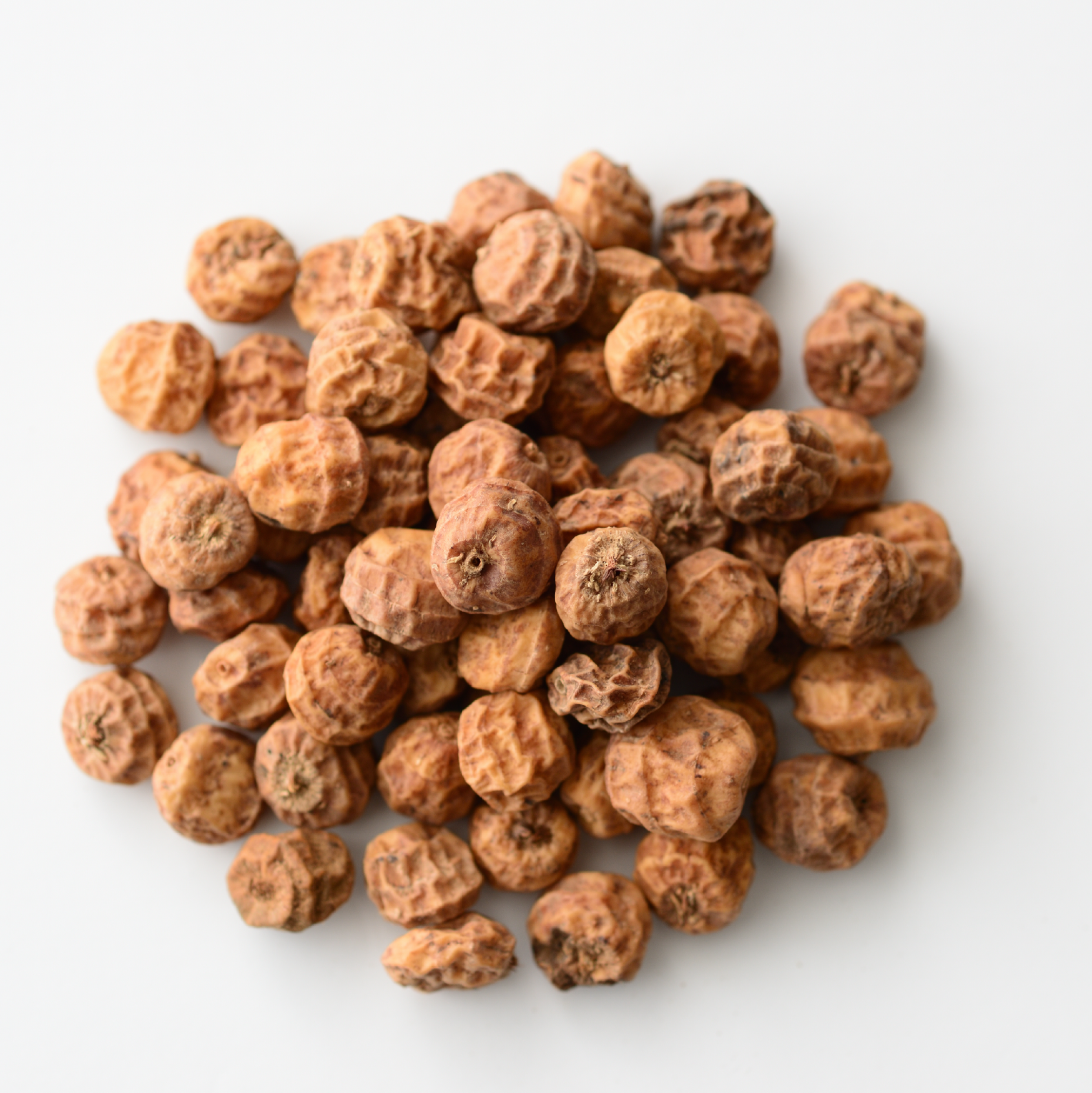
Chufa, also known as tiger nut, is a tuber that has been consumed for centuries in many cultures. It is rich in vitamins, minerals, and healthy fats. Chufa oil is extracted from these tubers, retaining most of their nutritional benefits. It contains a high level of oleic acid, similar to olive oil, which is beneficial for heart health. According to research, chufa oil can reduce cholesterol levels by up to 15% in some individuals.
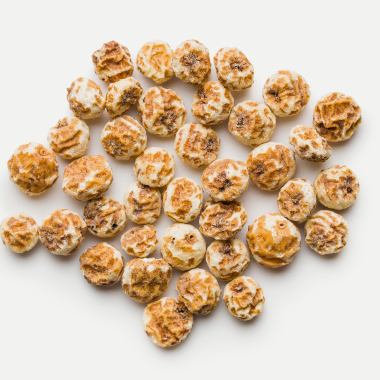
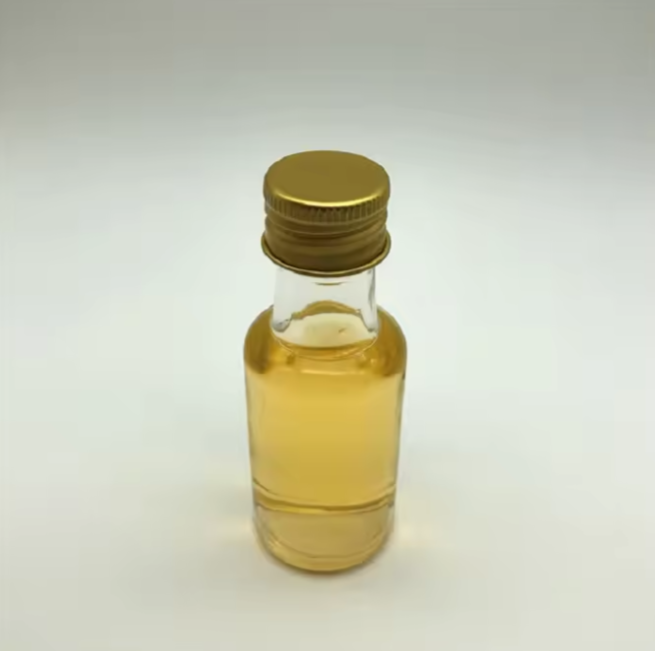
The production of high - quality chufa oil requires strict control over each step of the process. The first step is raw material selection. Only fresh and high - quality chufas should be chosen. After that, the chufas need to be thoroughly cleaned to remove dirt and impurities. The next crucial step is the extraction process. Cold - pressing is the preferred method as it preserves the natural nutrients and flavor of the oil. The pressing yield can reach around 20% - 25% depending on the quality of the chufas. After extraction, the oil undergoes a purification process to remove any remaining impurities, ensuring its clarity and stability.
Exporting chufa oil requires compliance with international food safety and quality standards. Key certifications include ISO 22000, which focuses on food safety management systems, and HACCP (Hazard Analysis and Critical Control Points), which identifies and controls potential hazards in the food production process. In the European Union, the EU Organic Certification is highly valued, indicating that the chufa oil is produced using organic farming methods without the use of synthetic pesticides and fertilizers. Obtaining these certifications can significantly enhance the credibility and competitiveness of the product in the international market.
The international market for healthy food products is growing rapidly. The demand for chufa oil is particularly strong in regions such as Europe, North America, and Asia, where consumers are increasingly health - conscious. To effectively penetrate these markets, companies need to develop targeted marketing strategies. For example, in the European market, emphasizing the organic and sustainable aspects of the product can attract environmentally - conscious consumers. In North America, highlighting the health benefits of chufa oil through scientific research and consumer testimonials can be effective. Social media platforms, food exhibitions, and partnerships with local distributors are all important marketing channels.
Let's take a look at a successful chufa oil export case. A company in Spain started exporting chufa oil to the United States. By obtaining relevant international certifications and collaborating with local health food stores, they were able to increase their market share by 30% within two years. They also engaged in social media marketing, sharing recipes and health tips related to chufa oil, which significantly increased brand awareness.
We hope this article has provided valuable insights for chufa oil exporters. If you have any questions or would like to share your experiences, please leave a comment below. Unlock the international market potential of chufa oil now! Explore Chufa Oil Export Opportunities