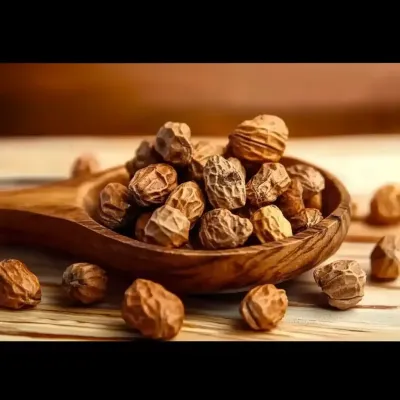
Chufa, a natural nutritional treasure from the roots of sedge plants, is gradually becoming an important part of a healthy diet. With its unique sweet taste and rich in dietary fiber, vitamin E, and various minerals, chufa offers numerous health benefits.
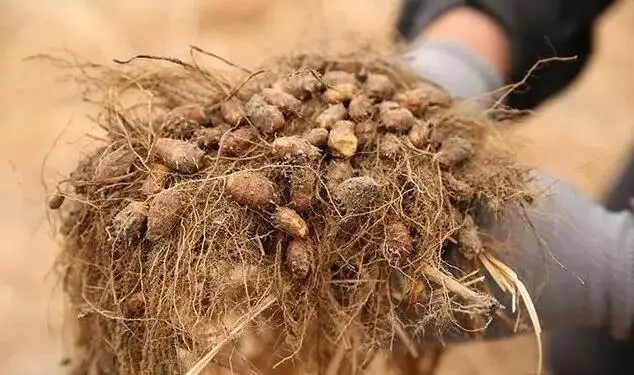
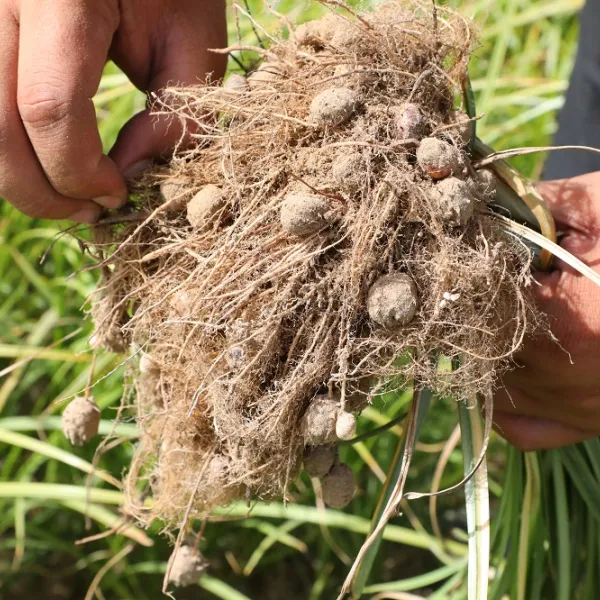
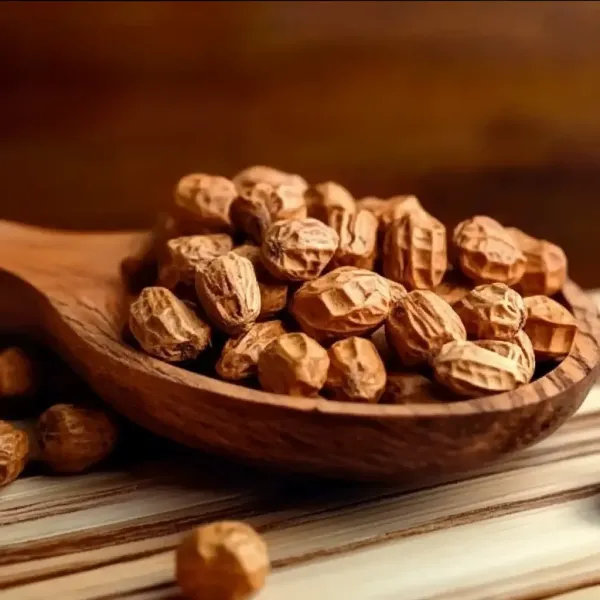
Chufa comes from the roots of specific sedge plants. It has a distinct appearance, usually small and round, with a brownish - yellow outer skin. These small nuts are nature's hidden gems, waiting to be discovered for their health - enhancing properties.
Chufa is a powerhouse of nutrition. It contains about 15 - 20% protein, 20 - 25% dietary fiber, and a significant amount of vitamin E, which is a powerful antioxidant. Vitamin E helps protect cells from damage, reduces the risk of chronic diseases, and promotes healthy skin. Minerals such as magnesium, potassium, and iron are also present in chufa, contributing to bone health, heart function, and oxygen transport in the body.
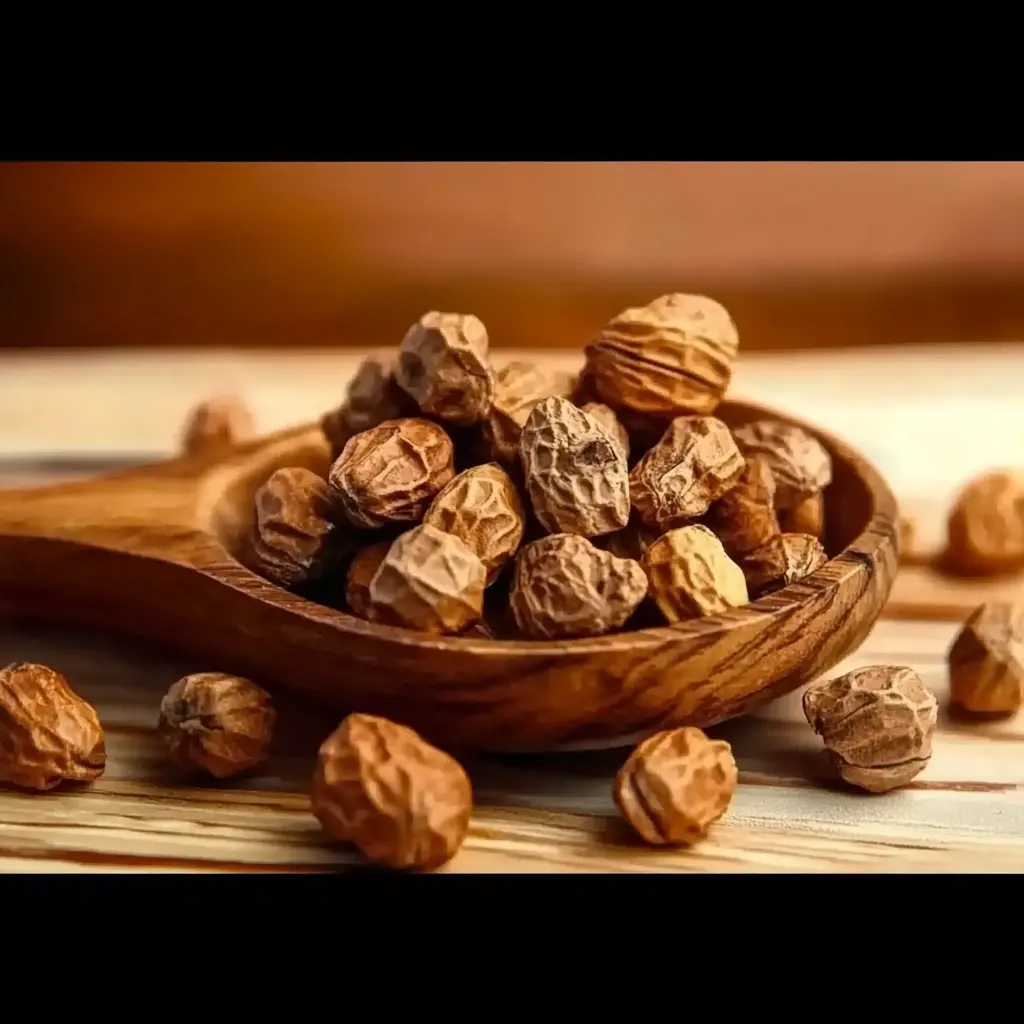
There are various ways to consume chufa. It can be eaten raw, offering a natural and fresh taste. When used in baking, chufa can add a unique flavor and crunch to bread, cookies, and cakes. Chufa flour, made by grinding the nuts, can be used as a gluten - free alternative in cooking. It can also be used to make chufa milk, a dairy - free and nutritious beverage. In addition, chufa oil, extracted from the nuts, is rich in healthy fats and can be used for cooking or as a skin moisturizer.
In today's health - conscious society, the demand for healthy food is on the rise. The global market for healthy snacks is expected to reach $XX billion by 2025, growing at a CAGR of XX%. Chufa fits perfectly into this trend. Compared to other nuts and snacks, chufa has a lower calorie count while providing more dietary fiber. Its unique taste and multiple uses also give it a competitive edge in the market.
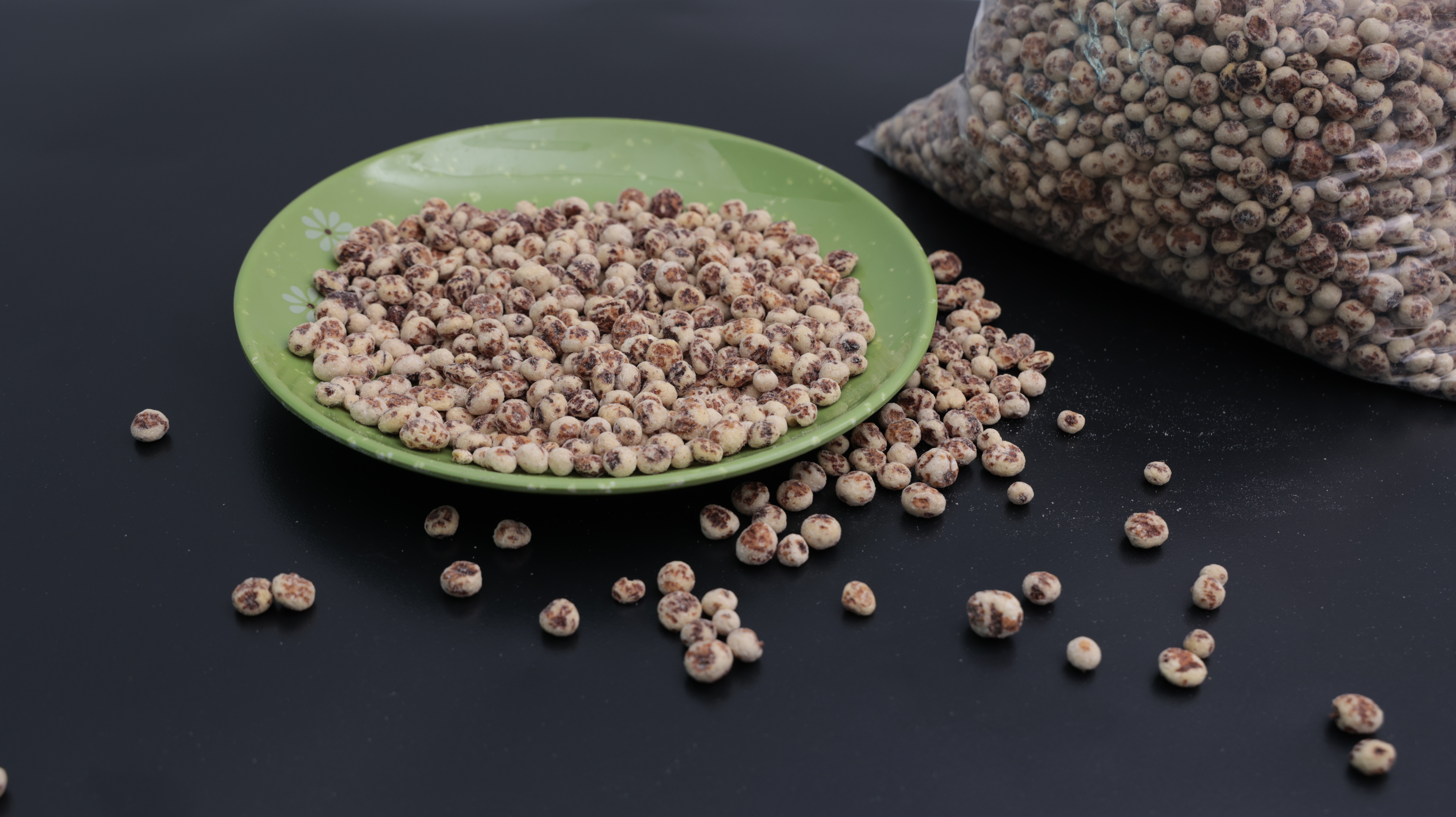
Proper packaging is crucial for chufa exports. It should protect the nuts from moisture, light, and physical damage. Airtight and opaque packaging is recommended. For example, vacuum - sealed bags can extend the shelf life of chufa by up to XX months. Labeling should include product information, nutritional facts, and origin details in multiple languages, especially the languages of the target markets.
Different countries have different certification requirements. For example, in the European Union, chufa products need to comply with food safety regulations such as the EU's General Food Law. Certifications like organic certification can also increase the marketability of chufa products. According to a survey, products with organic certification can command a price premium of up to XX% in some markets.
Logistics is another key aspect of chufa exports. The nuts need to be transported under appropriate temperature and humidity conditions to maintain their quality. Shipping by sea is a common choice for large - scale exports, but it may take longer. Air freight can ensure faster delivery but is more expensive. It's important to work with reliable logistics partners who have experience in handling food products.
Do you have any experience with chufa products? Or do you have questions about chufa exports? Feel free to share your thoughts and queries in the comments section below.