
In the ever - evolving landscape of health foods, finding the perfect ingredient for high - end formulations is a quest that many health brands are on. Today, we're going to explore a hidden gem in the world of tubers: tiger nuts. How do they stack up against common tubers like potatoes and yams, and why are they becoming the new favorite for high - end health food recipes?
Potatoes and yams are staples in many diets around the world. They're versatile, easy to cook, and relatively inexpensive. But as consumers become more health - conscious and look for ingredients that offer more than just basic sustenance, the search for a 'better' tuber begins. Tiger nuts, though not as well - known as their counterparts, are stepping into the spotlight. So, what makes them stand out?
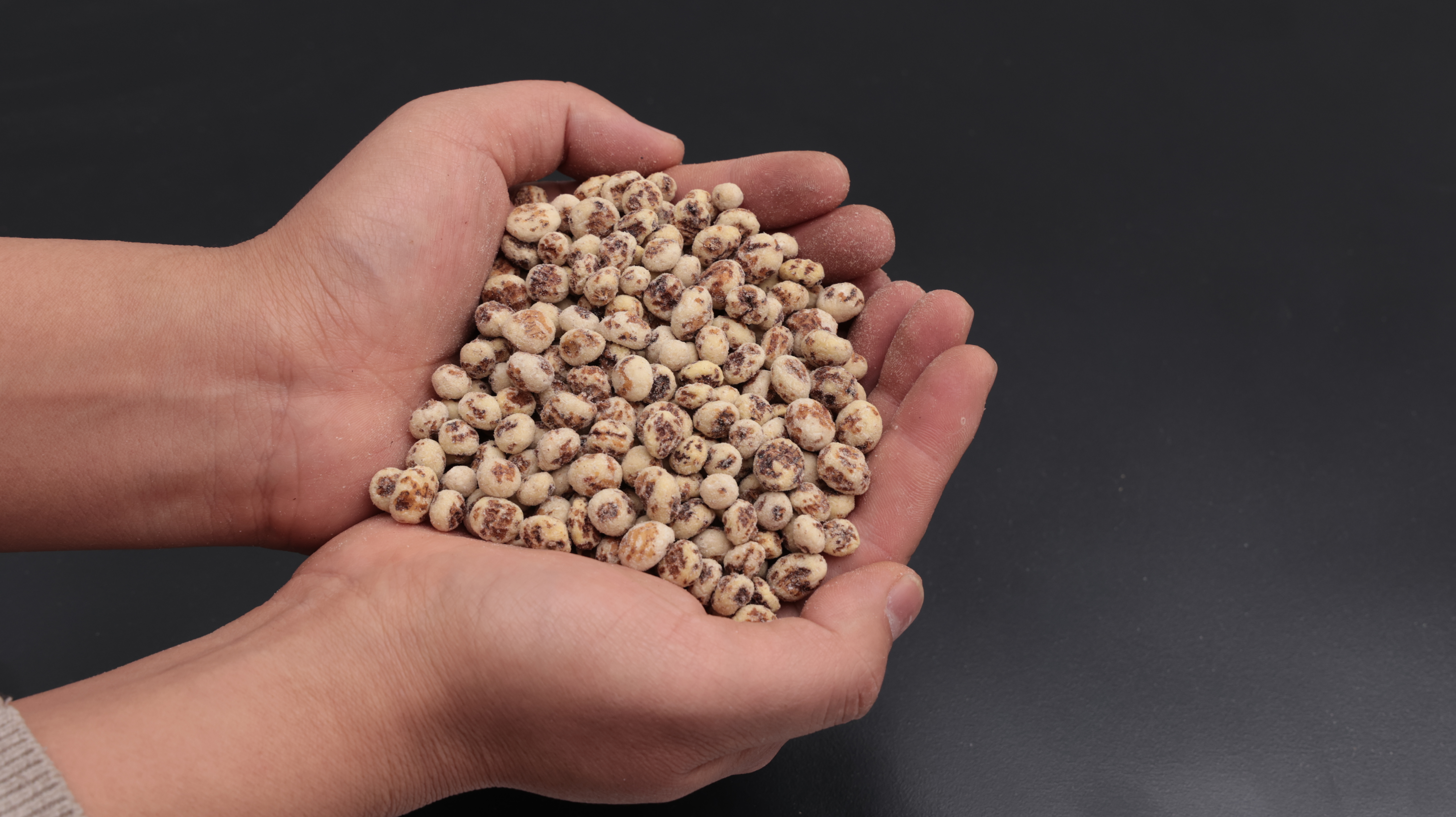
Tiger nuts are a nutritional powerhouse. They are rich in dietary fiber, with about 10 grams per 100 - gram serving, compared to just 2 grams in potatoes. Fiber is essential for digestive health, helping to prevent constipation and maintain a healthy gut microbiome. They also contain a significant amount of vitamin E, an antioxidant that protects cells from damage and supports immune function. In addition, tiger nuts are packed with minerals such as magnesium, potassium, and iron, which are crucial for various bodily functions.
The high fiber content in tiger nuts is not only good for digestion but also helps in regulating blood sugar levels. The vitamin E and other antioxidants in tiger nuts contribute to their anti - inflammatory properties, which can reduce the risk of chronic diseases. Moreover, the unique combination of nutrients in tiger nuts makes them a great source of energy, without the spikes and crashes associated with high - glycemic foods.
One of the most appealing aspects of tiger nuts is their natural sweetness and crunchy texture. Unlike potatoes, which can be starchy and bland, tiger nuts offer a more interesting and enjoyable eating experience. This makes them suitable for both sweet and savory dishes, adding a unique flavor and texture to recipes.

Tiger nuts are incredibly versatile in the kitchen. Here are some of the ways they are being used in the food industry:
Tiger nuts can be ground into flour and used in baking. The flour adds a nutty flavor and a boost of nutrition to bread, muffins, and cookies. In fact, many health - conscious bakeries are now offering tiger nut - based products, which are becoming increasingly popular among consumers.
The oil extracted from tiger nuts is rich in monounsaturated fats, similar to olive oil. It has a high smoke point, making it suitable for cooking at high temperatures. Tiger nut oil is also used in the cosmetic industry due to its moisturizing and anti - aging properties.
With their high nutritional value and natural sweetness, tiger nuts are an ideal ingredient for meal replacement powders. They can provide a balanced mix of carbohydrates, protein, and healthy fats, making them a convenient and nutritious option for people on the go.
In some cultures, tiger nuts are used to make traditional desserts. For example, in Spain, 'horchata de chufa' is a popular milk - like beverage made from tiger nuts, rice, and sugar. This shows the long - standing use of tiger nuts in culinary traditions.
According to a study by a leading food research institute, tiger nuts have a much higher antioxidant capacity compared to potatoes. The high vitamin E content in tiger nuts gives them an edge in terms of health benefits. Experts also point out that the low glycemic index of tiger nuts makes them a better choice for people with diabetes or those looking to manage their blood sugar levels.

In today's world, where people are increasingly seeking pure, natural, and multi - functional ingredients, tiger nuts fit the bill perfectly. They are the secret weapon for high - end health food formulations and are setting a new benchmark for healthy snacks. So, have you ever tried tiger nuts? If not, it's time to explore this amazing tuber and see how it can enhance your diet and your health.