
Tiger nut oil, extracted naturally from tiger nuts through an advanced cold-pressing process, is rapidly gaining recognition for its impressive health benefits. Rich in essential nutrients like vitamin E, unsaturated fatty acids, and potent antioxidants, this oil offers unique advantages that cater to both culinary and wellness needs. Its delicate nutty aroma and silky texture make it a versatile ingredient embraced worldwide not only in kitchens but also in skincare and pharmaceutical applications.
Derived from tiger nuts—a tuber known scientifically as Cyperus esculentus—the oil extraction process prioritizes preserving nutritional integrity by employing cold pressing. Unlike conventional methods that use heat or chemicals, cold pressing maintains the natural composition of vital micronutrients and bioactive compounds. This ensures that each drop of tiger nut oil remains unrefined and nutrient-rich, fitting the demands of health-conscious consumers and premium B2B markets.

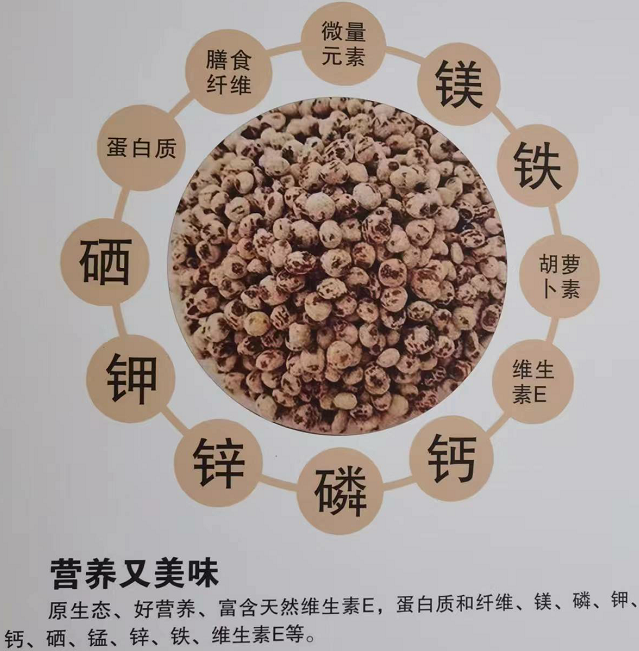
What distinguishes tiger nut oil in the functional oils category is its dense nutritional profile:
| Nutrient | Content in Tiger Nut Oil | Health Role |
|---|---|---|
| Vitamin E | 35-45 mg per 100g | Powerful antioxidant, skin protection |
| Monounsaturated Fatty Acids (MUFA) | ~67% | Supports heart health and cholesterol balance |
| Polyunsaturated Fatty Acids (PUFA) | ~15% | Anti-inflammatory, cellular function |
| Antioxidants (excluding Vitamin E) | Significant levels | Combats oxidative stress, slows aging |
The light, nutty flavor profile makes tiger nut oil an excellent choice for gourmet cooking. Its high smoke point—around 210°C (410°F)—allows it to be used safely for frying, sautéing, and baking without producing harmful free radicals. Studies indicate that including oils rich in monounsaturated fats, such as tiger nut oil, in the daily diet can reduce LDL cholesterol by approximately 10-15%, thus contributing to cardiovascular health.
Incorporating tiger nut oil into salad dressings or as a finishing oil enhances flavor complexity while adding nutritional value. For food manufacturers and distributors, this oil can be a compelling ingredient to meet consumer demand for natural, health-promoting products.
Beyond nutrition, tiger nut oil has earned popularity in cosmetic formulations thanks to its emollient and anti-aging properties. Vitamin E and antioxidants in the oil help repair skin damage and maintain elasticity, reducing the appearance of wrinkles and promoting hydration. Clinical observations show that topical application of antioxidant-rich oils can improve skin moisture retention by up to 20% within four weeks.
In the pharmaceutical domain, its anti-inflammatory and antimicrobial characteristics are being explored for wound care and as a carrier oil in therapeutic products. This versatility invites B2B collaborations with skincare brands, health supplement manufacturers, and medical product companies looking to innovate with natural ingredients.

As consumer trends shift toward clean label and multifunctional ingredients, cold-pressed tiger nut oil stands out as a natural, nutrient-dense solution for diverse applications. Its unique blend of health-promoting fatty acids, antioxidants, and vitamins positions it well for brands and distributors aiming to differentiate in saturated markets.
Interested in exploring premium tiger nut oil for your product line? Discover how tiger nut oil can elevate your offerings today.