.png?x-oss-process=image/resize,h_1000,m_lfit/format,webp)
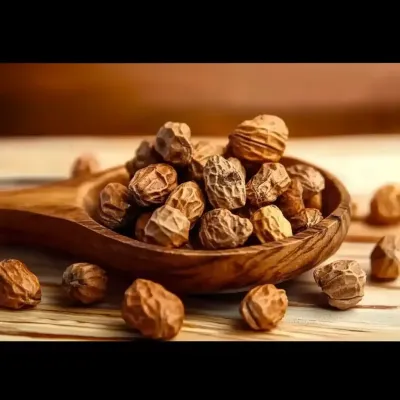
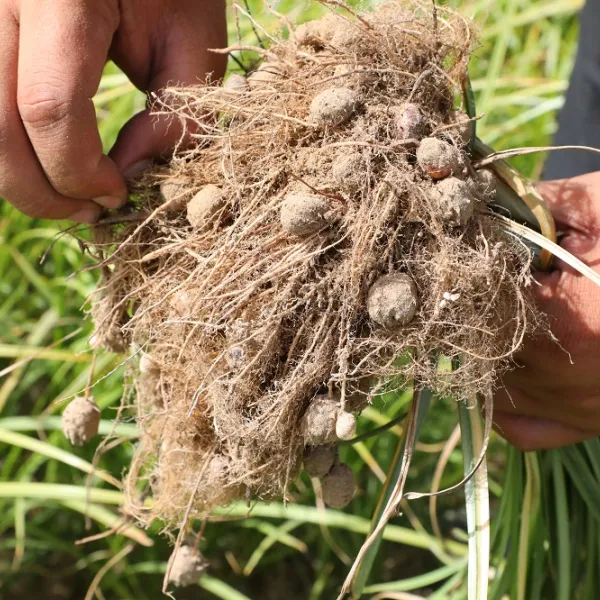
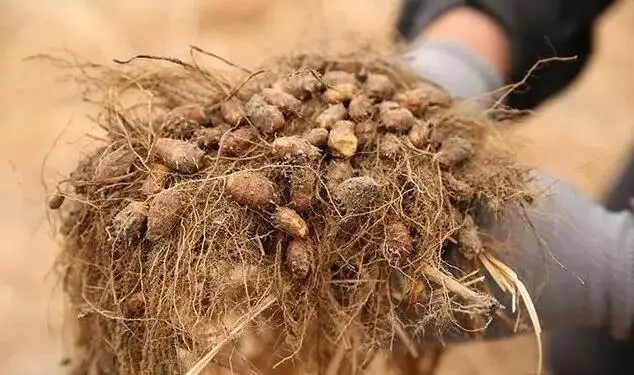
Tiger nuts—often mistaken for nuts but actually a tuber—are gaining global traction as a functional superfood. With rising demand in health-conscious markets like North America, Europe, and the Middle East, understanding their full supply chain from planting to export is critical for B2B exporters aiming to build trust and scale sustainably.
According to the Global Health & Wellness Report 2024, over 68% of consumers now seek snacks with prebiotic benefits—and tiger nuts deliver. They’re rich in resistant starch (up to 30% by weight), fiber, magnesium, and natural sugars that provide slow-release energy. In fact, a study published in Food Chemistry (2023) found tiger nuts have a lower glycemic index than many common grains, making them ideal for diabetic-friendly products.
A well-managed supply chain ensures consistency, safety, and compliance with international standards such as ISO 22000 and EU Organic Certification. Here’s what matters most:
From Spain’s traditional horchata to U.S.-based protein bars and UK snack packs, tiger nuts are being reimagined across food categories. A case in point: GreenRoots Foods (UK) reported a 40% YoY increase in B2B orders after launching tiger nut-based crunchy snacks in 2023—thanks to clear labeling on non-GMO and low-allergen profiles.
.png)
Buyers don’t just want quality—they want proof. Implement third-party lab testing (e.g., for aflatoxins, heavy metals, microbiology) before shipment. Companies like AgriNova Exports in Kenya saw a 25% faster order conversion rate after adding QR-linked test reports to product listings on Alibaba.
And here's a question for you: How do you currently verify the authenticity of your raw ingredients? Share your process—we’d love to learn from your experience!
We offer traceable, certified, and consistently high-quality tiger nuts—from farm to export—with full documentation for global compliance.
Explore Our Tiger Nut Portfolio Today



%20placed%20on%20a%20dining%20table%20in%20a%20.png?x-oss-process=image/resize,m_fill,h_600,w_600/format,webp)


收草.JPG?x-oss-process=image/resize,m_fill,h_600,w_600/format,webp)