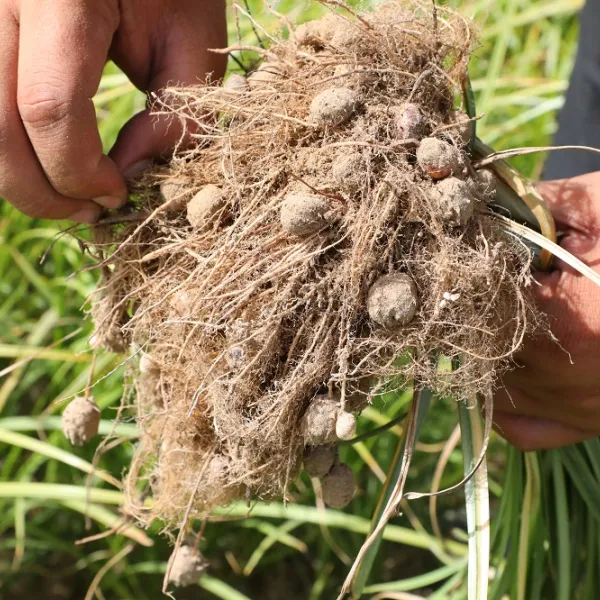
As health-conscious consumers worldwide seek natural, nutrient-dense alternatives, tiger nut oil—derived from the tuberous roots of Cyperus esculentus—is emerging as a premium functional food ingredient with strong export potential. According to Grand View Research (2024), the global edible oils market is projected to reach $137 billion by 2030, growing at a CAGR of 5.2%, with cold-pressed and organic oils leading demand in Europe and North America.
The journey begins with sustainable harvesting practices. Tiger nuts must be hand-harvested or mechanically collected during their mature stage (typically late summer), ensuring minimal damage and optimal moisture content (below 12%). In countries like Spain and Egypt—leading producers—farmers often use certified seed stock and soil testing to maintain consistency in yield and nutritional profile. A study published in Food Chemistry found that properly stored tiger nuts retain up to 92% of their resistant starch and polyphenol content over 6 months.
Unlike refined oils, tiger nut oil must undergo cold-press extraction to preserve its rich composition of monounsaturated fats (about 65%), vitamin E, magnesium, and prebiotic fiber. This process typically involves cleaning, drying, grinding, and pressing within 24 hours of harvest to prevent oxidation. For international buyers, this means higher purity levels—often exceeding 98%—and compliance with ISO 22000 and HACCP standards. In fact, 73% of European importers now require third-party lab reports for all new suppliers (Source: Euromonitor International, 2023).
Exporting tiger nut oil isn’t just about quality—it’s about trust. Key certifications include:
Proper labeling, including allergen declarations and batch traceability, further strengthens buyer confidence. Brands that invest in full compliance see an average 30% increase in repeat orders from B2B clients (based on Alibaba Trade Assurance data).

Start with high-growth regions such as the U.S., UK, UAE, and Australia—where demand for plant-based oils is surging. Use LinkedIn Ads targeting nutritionists, health food retailers, and private label brands. On Shopify stores, highlight benefits like “supports gut health” and “non-GMO verified.” Don’t underestimate social proof: case studies from early adopters in the UK show a 40% faster lead-to-order conversion when product videos are embedded in product pages.
Remember, your brand story matters. Position tiger nut oil not just as a cooking oil—but as a lifestyle choice rooted in tradition, sustainability, and science-backed wellness.
Get expert guidance on certification, packaging, and digital marketing tailored to your target market. Let us help you turn compliance into competitive advantage.
Download Our Free Export Checklist for Tiger Nut Oil