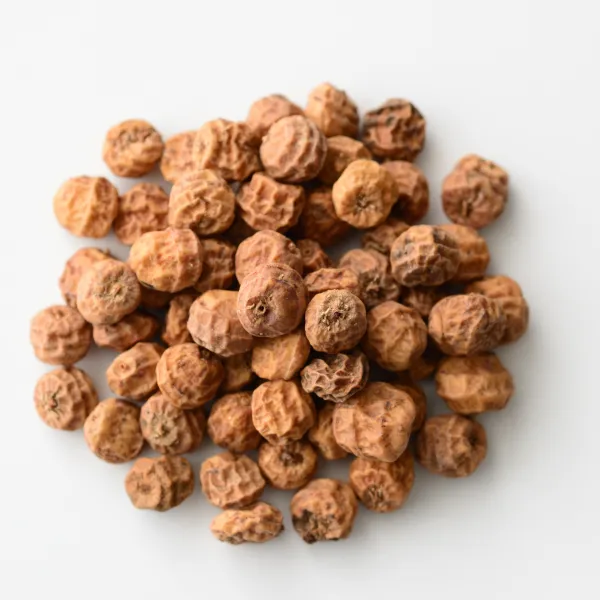
In the era of pursuing healthy cooking, tiger nut oil has emerged as a new and promising choice. Tiger nut oil is derived from tiger nuts, also known as chufa nuts. These small tubers are a rich source of various nutrients. The oil is extracted through an advanced cold - pressing process. This method ensures that the oil retains its natural nutrients, such as vitamin E, unsaturated fatty acids, and powerful antioxidant components. Vitamin E, for example, has been shown to have anti - aging effects, while unsaturated fatty acids are beneficial for heart health. According to some studies, tiger nut oil contains up to 80% unsaturated fatty acids, which is significantly higher than many other common cooking oils.

One of the remarkable features of tiger nut oil is its high heat resistance. It can withstand temperatures up to 230°C (446°F), making it suitable for a wide range of cooking methods. Let's take a look at some common cooking methods and how tiger nut oil performs in each:
When it comes to frying, tiger nut oil shines. Its high smoke point means that it doesn't break down easily at high temperatures, reducing the formation of harmful substances. Foods fried in tiger nut oil have a crispy exterior and a tender interior, while also absorbing less oil. For instance, a fast - food chain in Spain replaced its traditional frying oil with tiger nut oil. After the switch, they noticed a 15% reduction in the oil absorption of their fried products, making them healthier without sacrificing taste.
In baking, tiger nut oil adds a unique nutty aroma and a silky texture to baked goods. It can be used as a substitute for butter or other oils. A bakery in France started using tiger nut oil in their croissants. Customers reported that the croissants had a more intense flavor and a longer shelf - life. The oil's moisture - retaining properties helped keep the croissants fresh for up to two days longer compared to those made with regular butter.
Tiger nut oil's mild and nutty flavor makes it an excellent choice for salad dressings. It can be mixed with vinegar, herbs, and spices to create a delicious and healthy dressing. A health - conscious restaurant in the United States introduced tiger nut oil - based salad dressings on their menu. Since then, they have seen a 20% increase in the sales of their salad dishes.
.jpg)
There are numerous success stories of chefs and home cooks using tiger nut oil. A renowned chef in Italy incorporated tiger nut oil into his signature seafood dishes. The oil's unique flavor complemented the freshness of the seafood, and his dishes received rave reviews from food critics. In a home - cooking context, a family in the UK switched to tiger nut oil for their daily cooking. After a few months, they noticed an improvement in their family members' cholesterol levels, which they attributed to the healthy fatty acids in the oil.
Let's compare tiger nut oil with some other popular cooking oils:
| Oil Type | Smoke Point (°C) | Unsaturated Fatty Acid Content | Nutritional Value |
|---|---|---|---|
| Tiger Nut Oil | 230 | Up to 80% | Rich in vitamin E and antioxidants |
| Olive Oil (Extra Virgin) | 160 - 190 | Around 70% | Good source of vitamin E |
| Canola Oil | 190 - 246 | Around 93% | Low in saturated fat |
As shown in the table, tiger nut oil has a high smoke point and a relatively high content of unsaturated fatty acids, which gives it an edge in terms of both cooking performance and health benefits.
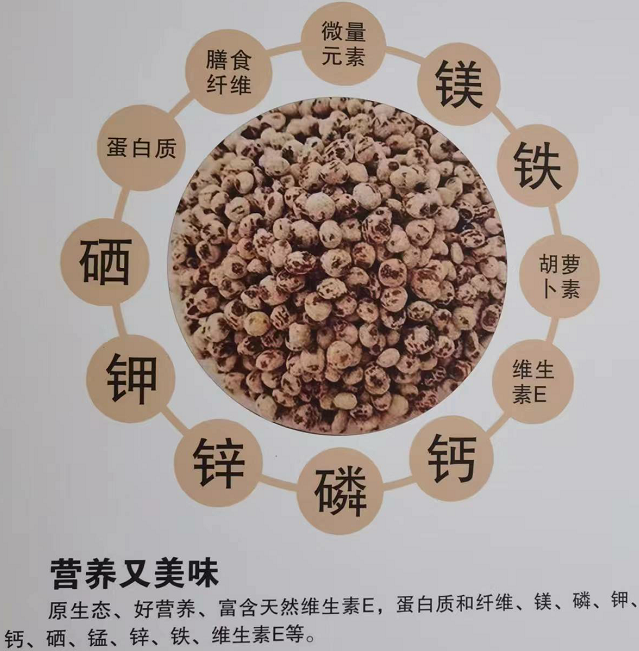
Tiger nut oil offers a combination of health benefits and excellent cooking performance. It can elevate the quality of your cooking, whether you are a professional chef or a home cook. With its unique nutty flavor, high heat resistance, and rich nutritional profile, tiger nut oil is truly a game - changer in the world of cooking. Don't miss out on this amazing cooking oil. Click here to learn more about tiger nut oil and start your healthy cooking journey today!