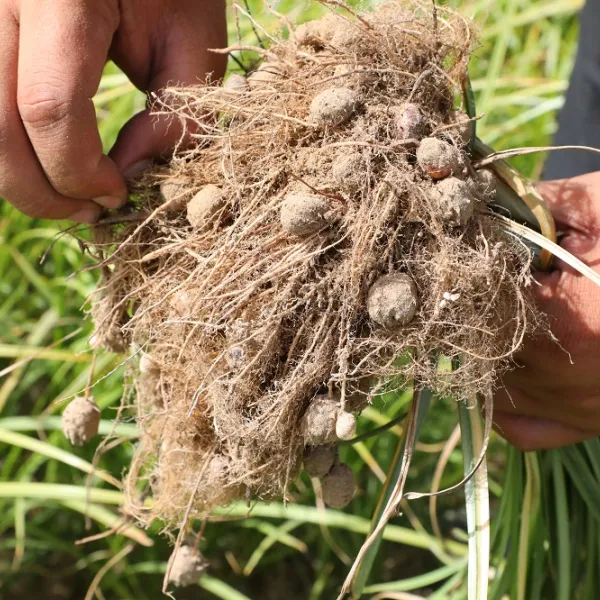
In recent years, the global market has witnessed a growing demand for healthy food alternatives. Tiger nut flour has emerged as a promising substitute for traditional flour, offering numerous technical advantages and significant market potential. This article delves into the technical merits of tiger nut flour and the essential aspects of export compliance.
Tiger nuts are rich in essential nutrients, making tiger nut flour a healthy alternative. It contains approximately 10 grams of dietary fiber per 100 grams, which is significantly higher than that of traditional wheat flour. Dietary fiber plays a crucial role in promoting digestive health and reducing the risk of cardiovascular diseases. Moreover, tiger nut flour is a good source of vitamin E, an antioxidant that helps protect cells from damage. With about 5 milligrams of vitamin E per 100 grams, it enhances the overall health - promoting properties of food products.

The processing of tiger nut flour involves a series of steps, including cleaning, drying, and grinding. This process preserves the nutritional value of tiger nuts while producing a fine - textured flour. Tiger nut flour has diverse applications in the food industry. In the baking sector, it can be used to make bread, cakes, and cookies. For example, a bakery in Spain reported that by replacing 30% of wheat flour with tiger nut flour in their bread recipes, they not only improved the nutritional profile but also enhanced the flavor and texture of the bread. In the functional food market, tiger nut flour is used to develop products such as energy bars and protein shakes, catering to the growing demand for healthy snacks.
As consumers become more health - conscious, the market for tiger nut flour is expanding rapidly. In the United States, the sales of healthy snacks made with alternative flours have increased by 20% in the past three years. Tiger nut flour, with its unique nutritional properties, is well - positioned to capture a significant share of this market. It can be used in a variety of health - focused products, from gluten - free snacks to fortified beverages, meeting the needs of different consumer groups.

When exporting tiger nut flour, companies must comply with international food safety regulations, certification standards, and trade policies. For instance, the European Union has strict regulations on food additives and contaminants. Tiger nut flour exporters need to ensure that their products meet the maximum residue limits for pesticides and heavy metals. Additionally, obtaining relevant certifications such as ISO 22000 (Food Safety Management System) and HACCP (Hazard Analysis and Critical Control Points) can enhance the credibility of the products in the international market. A case study of a Chinese exporter showed that after obtaining these certifications, their export volume to Europe increased by 30% within a year.
Tiger nut flour offers significant technical advantages as a substitute for traditional flour, with great potential in the global health food market. By understanding and complying with export regulations, companies can effectively expand their international market share. Are you interested in exploring the opportunities of tiger nut flour in the international market? Click here to learn more about our high - quality tiger nut flour and how we can help you meet export compliance requirements.
We'd love to hear from you! Have you ever used tiger nut flour in your products? Share your experiences in the comments below.