If you’re seeking a natural, nutrient-rich oil that elevates your cooking while boosting your health, cold-pressed tiger nut oil offers a compelling solution. Extracted using advanced cold-press techniques, this oil retains a wealth of antioxidants, vitamin E, and heart-healthy unsaturated fats, wrapped in a rich nutty aroma and velvety texture. This guide will navigate you through the diverse culinary applications of tiger nut oil, revealing practical tips and research-backed benefits that promise a healthier and more flavorful kitchen experience.
Sourced from the tubers of Cyperus esculentus—commonly known as tiger nuts—this oil brings more than just flavor to your table. Rich in Vitamin E (up to 20 mg per 100g), essential fatty acids (approximately 75% unsaturated fats), and natural plant sterols, tiger nut oil supports cardiovascular health, skin vitality, and metabolic balance. The cold pressing technique ensures minimal heat exposure, preserving delicate phytochemicals and the oil’s characteristic aroma.
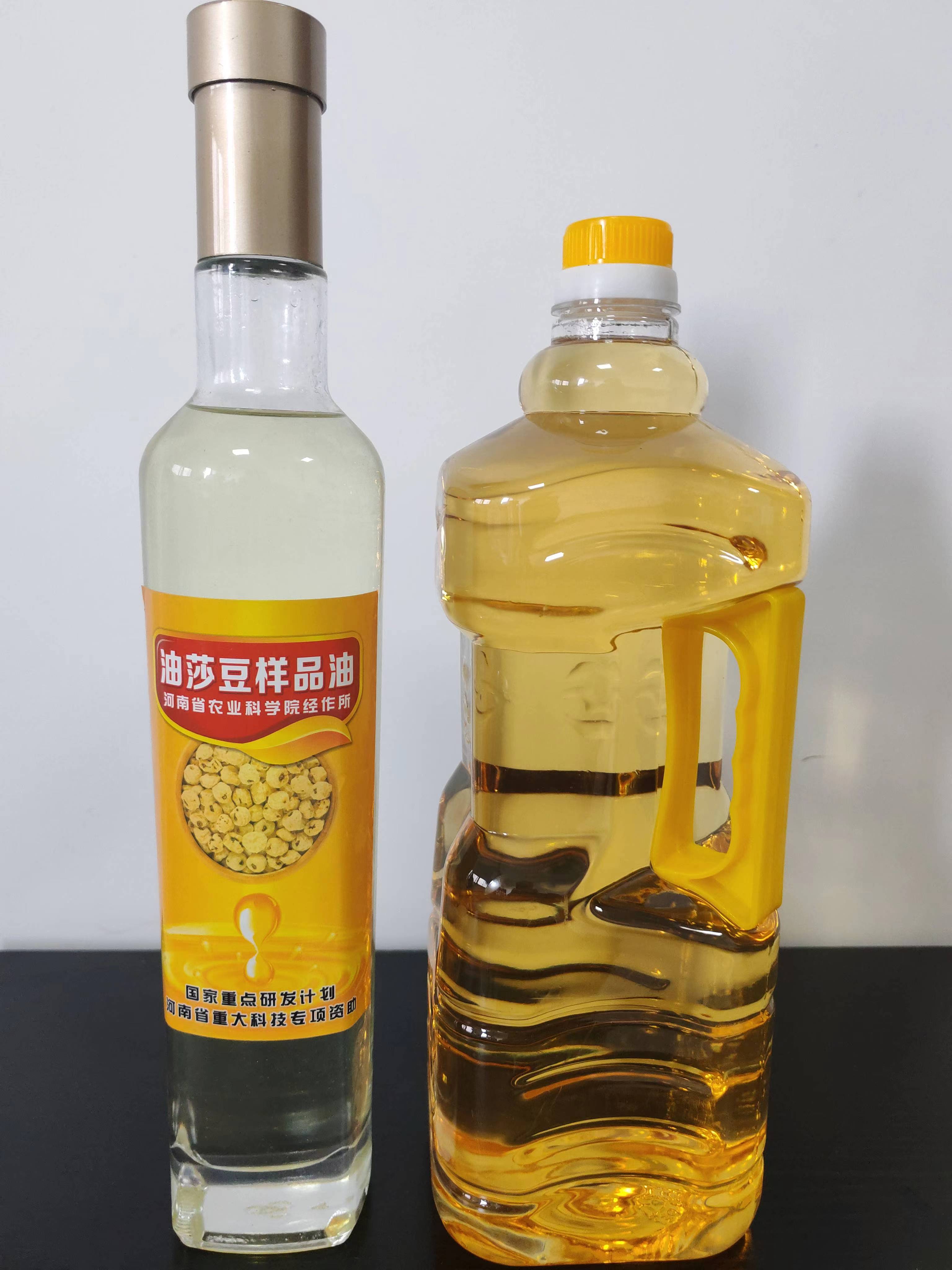
Its relatively high smoke point (~210°C/410°F) makes tiger nut oil versatile across cooking styles. Here’s how you can incorporate it effectively:
| Cooking Method | Best Practices | Benefits |
|---|---|---|
| Sautéing and Stir-Frying | Use moderate heat, add oil before vegetables/meats | Enhances nutty flavor without breaking down nutrients |
| Baking | Replace part of butter or oil with tiger nut oil in recipes | Adds moistness and subtle aroma, healthier fat profile |
| Salad Dressings and Marinades | Mix cold with vinegar, lemon juice, herbs | Preserves antioxidants; natural flavor enhancer |
.jpg)
Leading chefs and home cooks alike have embraced tiger nut oil to create standout dishes. For example, a renowned Mediterranean restaurant reported a 25% increase in customer satisfaction after introducing tiger nut oil as a finishing drizzle on grilled vegetables, attributing the boost to the enhanced aroma and health-conscious appeal.
Furthermore, a bakery chain successfully replaced 30% of its butter with tiger nut oil in pastries, achieving a richer mouthfeel and extending shelf life due to the oil's natural antioxidants — while marketing the product as a “heart-health supportive treat,” resonating well in health-aware markets.
Compared to sunflower, olive, and canola oils, tiger nut oil exhibits:

Tiger nut oil’s antioxidant content makes it a favored ingredient in cosmetic formulations aimed at skin hydration and anti-aging. Clinical studies highlight its efficacy in maintaining skin elasticity and reducing inflammation. Additionally, traditional medicine utilizes the oil for digestive health and blood sugar regulation, reflecting its multifaceted nature.
Ready to transform your culinary and wellness routines? Discover how cold-pressed tiger nut oil can make a difference.
Experience the Health & Flavor Revolution with Tiger Nut Oil Now