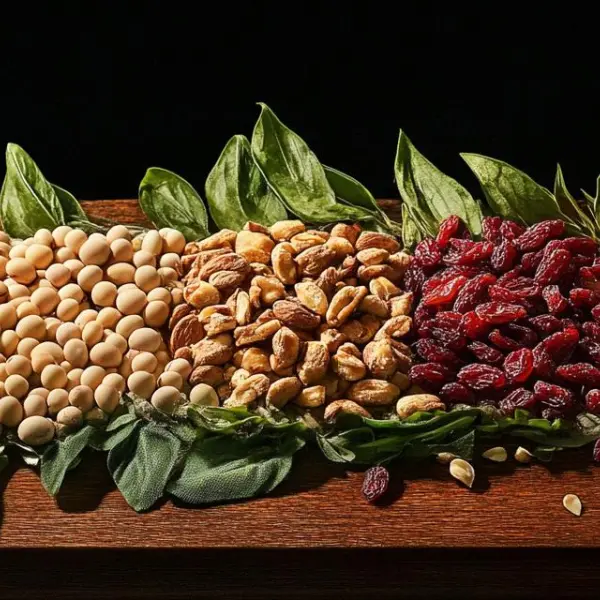
As global consumers increasingly prioritize clean-label, functional ingredients, tigernut—a naturally sweet tuber from West Africa—is emerging as a high-value opportunity for B2B suppliers aiming to stand out in the health food market. With rising demand in Europe and North America, now is the time to understand its nutritional edge, application versatility, and how it can elevate your product line.
Tigernut isn't actually a nut—it's a root vegetable rich in prebiotic fiber (up to 30% of dry weight), vitamin E, magnesium, potassium, and resistant starch. Unlike common nuts like almonds or walnuts, tigernut has a low glycemic index (GI < 20) and supports gut health without triggering allergies. According to a 2023 study by the Journal of Functional Foods, products incorporating tigernut saw a 45% increase in consumer appeal among health-conscious buyers aged 25–45.
For B2B buyers: this means you're not just adding an ingredient—you're tapping into a growing trend where functional benefits drive purchasing decisions.
In baking, tigernut flour adds moisture, sweetness, and structure—ideal for gluten-free cookies, muffins, and breads. In oil form, cold-pressed tigernut oil delivers a nutty aroma and high smoke point (~190°C), making it perfect for gourmet cooking or salad dressings. Even in confectionery, manufacturers are using tigernut-based powders to create low-sugar energy bars that meet EU’s “no added sugar” labeling standards.
Pro Tip: Pair tigernut with chia seeds or oat fiber to enhance texture while boosting fiber content—a winning combo for private-label brands targeting premium markets.
| Ingredient | Fiber Content | Allergen Risk | Market Demand Growth (YoY) |
|---|---|---|---|
| Tigernut | ~30% | None | +37% |
| Chia Seeds | ~30% | Low risk | +22% |
| Almonds | ~10% | High risk | +12% |
These numbers speak louder than words: tigernut offers superior fiber, zero allergens, and faster growth than traditional alternatives—making it a smart choice for B2B procurement teams looking to future-proof their portfolios.
European food manufacturers report a 60% higher conversion rate when launching snacks labeled “tigernut-based” vs. generic “healthy snack.” One UK-based bakery owner noted: “Our customers love the subtle sweetness—it doesn’t overpower the flavor, but adds depth.”
If you’re still wondering whether tigernut belongs in your sourcing strategy, ask yourself: Are you ready to meet the growing demand for clean-label, gut-friendly ingredients?
Let us help you connect with certified suppliers offering bulk quantities, lab-tested quality, and flexible packaging options tailored to your market needs.
Get Free Samples & Supplier Quotes Now




.JPG?x-oss-process=image/resize,m_fill,h_600,w_600/format,webp)