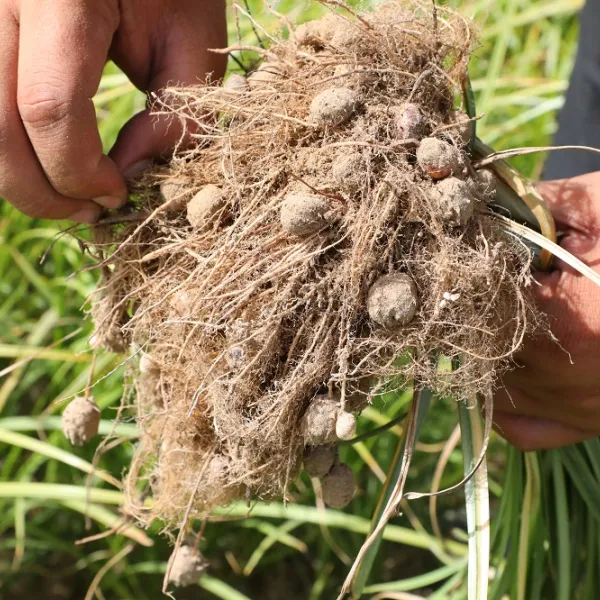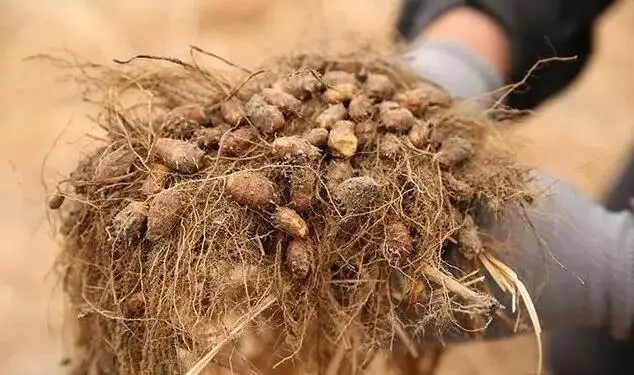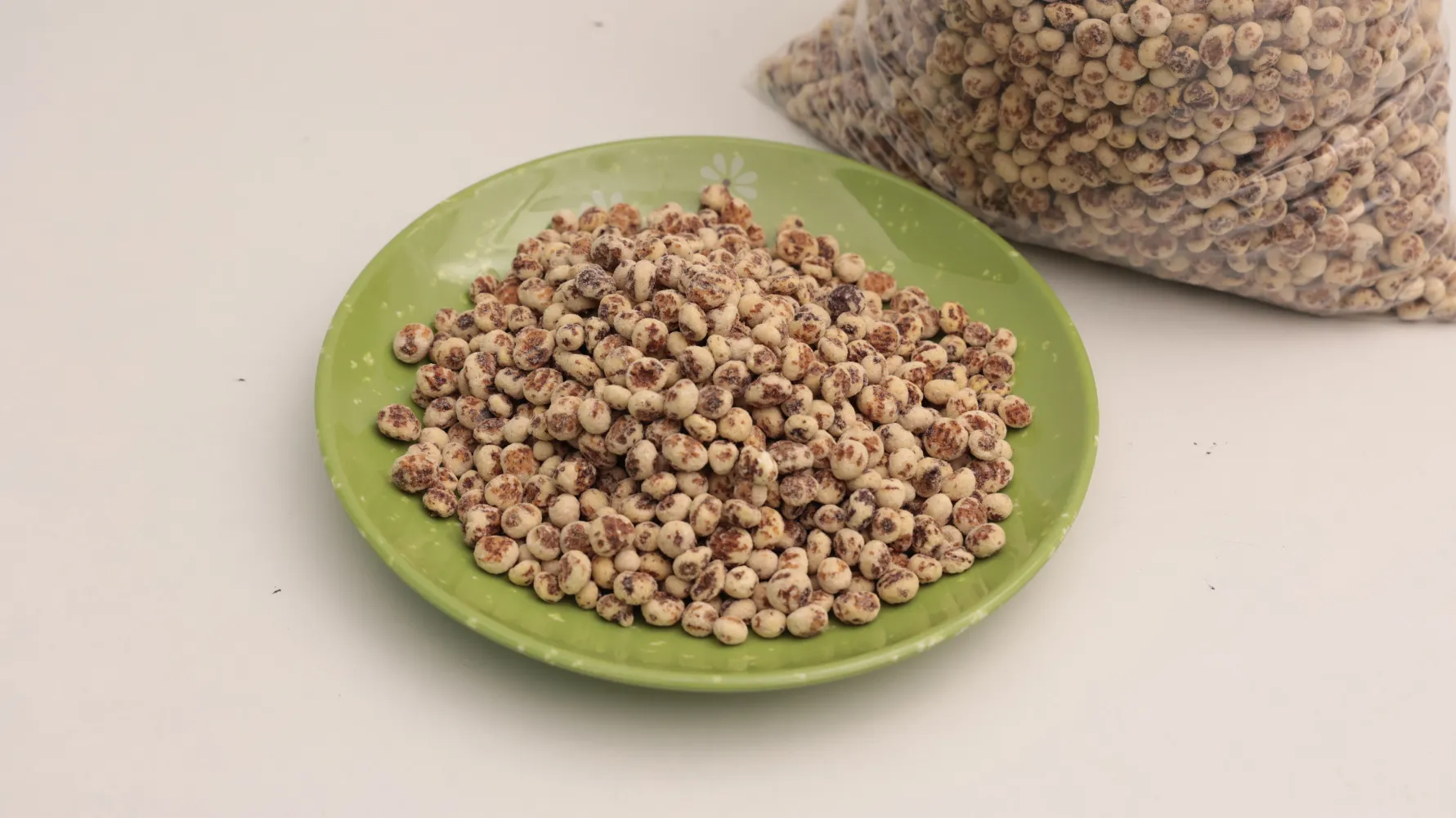
In today’s health-conscious food market, where 73% of global consumers actively seek nutrient-dense ingredients (Source: Mintel 2023), tiger nut flour is emerging as a game-changer—not just as a superfood, but as a powerful tool to elevate your baked goods’ texture, flavor, and nutritional value.
Unlike traditional flours, tiger nut flour—derived from the tuber of Cyperus esculentus—is naturally gluten-free, rich in dietary fiber (up to 30g per 100g), vitamin E, magnesium, and prebiotic fibers like inulin. These components don’t just support gut health—they also enhance moisture retention and shelf life in baked items. For instance, a study by the Journal of Food Science showed that replacing 20–30% of wheat flour with tiger nut flour improved crumb structure and reduced dryness in whole-grain breads.
Start small—replace up to 25% of all-purpose flour in recipes like cookies, muffins, or pancakes. This ratio maintains texture while boosting nutrition. For savory applications such as flatbreads or crackers, go up to 40%. Key tip: Tiger nut flour absorbs more liquid than wheat flour, so increase water or eggs by 10–15% when substituting. Also, its natural sweetness adds depth without extra sugar—ideal for clean-label formulations.
A European organic bakery reported a 22% increase in repeat orders after launching tiger nut-based granola bars. Another U.S.-based snack brand saw a 17% sales lift within three months by labeling their brownies “High Fiber, Low Sugar” using tiger nut flour as the star ingredient. Consumers love it—not just because it’s healthy, but because it tastes great.
The global functional food market is projected to reach $435 billion by 2027 (Grand View Research). In North America and Europe, over 60% of consumers prefer snacks labeled “natural,” “gluten-free,” or “high in fiber.” Tiger nut flour fits all three categories—and offers a unique selling point that sets your products apart from competitors relying on generic oat or almond flour.
Store tiger nut flour in an airtight container away from light and moisture—it retains freshness for up to 6 months. Always test new batches for consistency; slight variations in milling can affect hydration levels. And remember: less is more. Overusing it can make dough too dense or alter taste profiles unexpectedly.
Join thousands of B2B buyers who are already leveraging tiger nut flour to create premium, high-margin products that sell themselves.
Discover Premium Tiger Nut Flour for B2B Orders