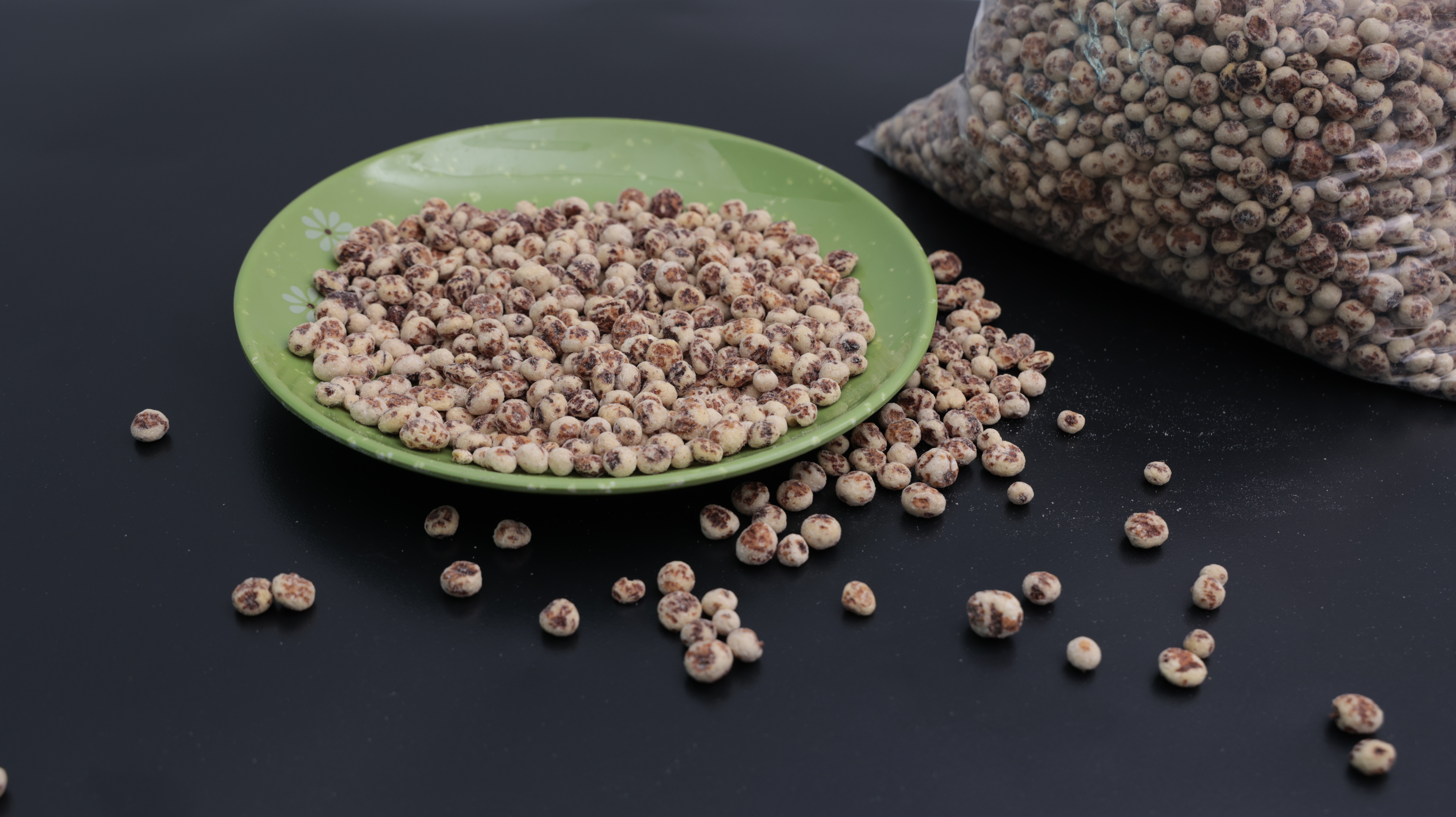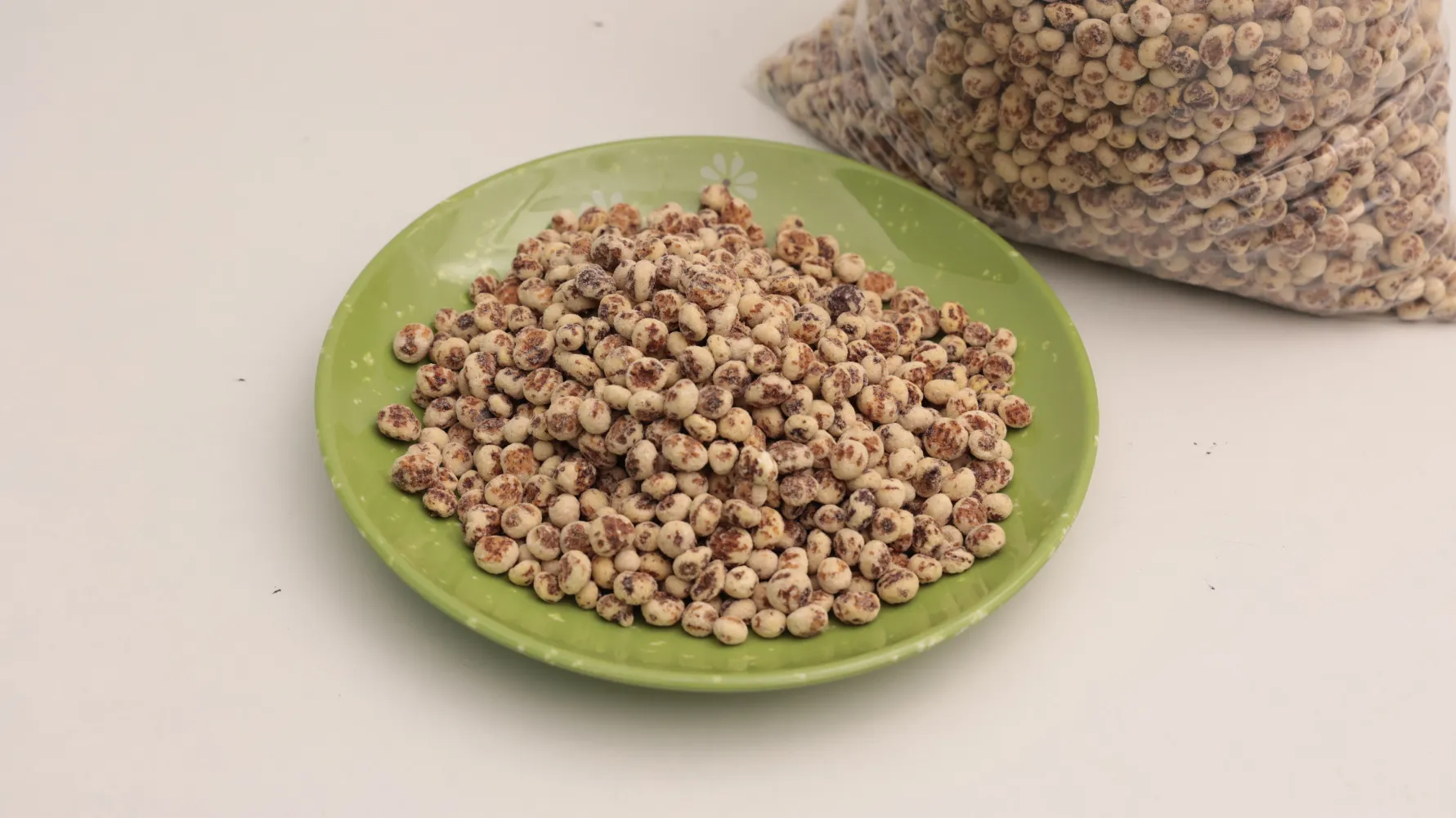
Often mistaken for a nut but actually a tuber, the Tiger Nut has quietly emerged as a superfood champion in the global health nutrition sector. Its unique composition, brimming with dietary fiber, vitamin E, and essential minerals, positions it as a natural powerhouse transforming from a traditional foodstuff into a modern nutritional supplement. Whether consumed raw, roasted, ground into flour, or pressed into oil, tiger nut adapts seamlessly to today's consumers seeking wholesome and functional foods that complement their healthy lifestyles.
For every 100 grams of tiger nuts, you get approximately:
Scientific studies underscore tiger nut's role in reducing cholesterol levels, regulating blood sugar, and supporting gut microbiota, proving it more than just a nutritious snack—it's a functional ingredient with wide-ranging health benefits.
Tiger nut’s versatility is a key asset: it fits naturally into various culinary uses, meeting consumers’ diverse tastes and dietary preferences.
Enjoy tiger nuts straight out of the bag for a chewy, naturally sweet, and fiber-rich snack, or opt for roasted versions that bring out a nutty aroma and crunch, perfect for on-the-go energy boosts.
Ground tiger nuts produce a gluten-free flour alternative used in bread, cookies, and pancakes, appealing to the rising demand for allergen-friendly bakery products.
Pressed into oil, tiger nut yields a pale yellow oil rich in oleic acid, sharing characteristics with olive oil. Its mild flavor and high smoke point make it ideal for cooking, salad dressings, and even cosmetic applications.
By adapting to these multiple formats, tiger nuts serve as a functional ingredient across food innovation sectors, from health-conscious snacks to gourmet cooking.
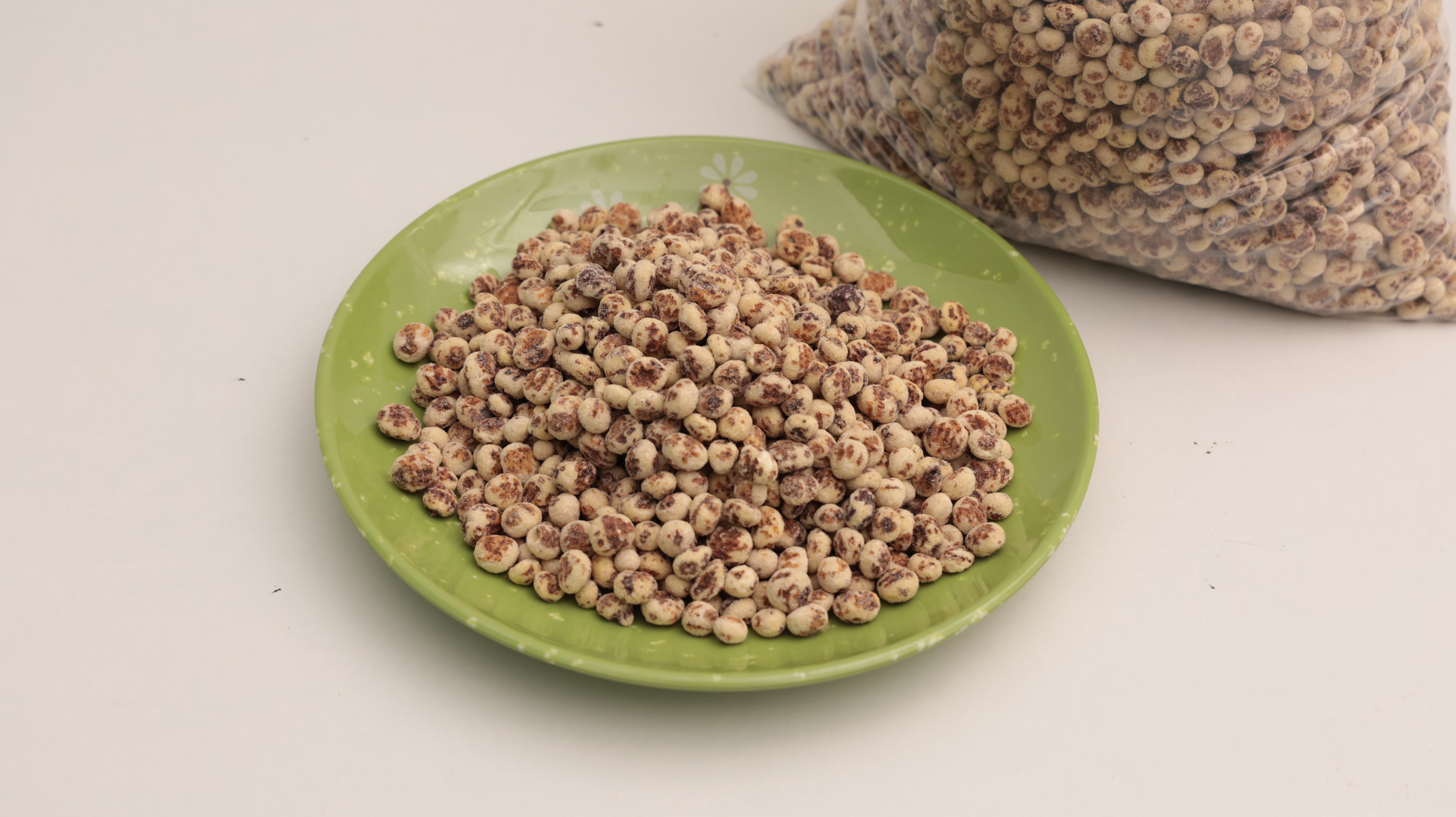
The global health food market is gravitating towards natural, plant-based, and nutrient-dense foods — and tiger nut fits this trend perfectly. Consumers today are increasingly vigilant about ingredients, seeking foods that deliver tangible health benefits without artificial additives or allergens.
With its gluten-free, vegan-friendly profile and rich nutrient content, tiger nut aligns with multiple influential diet trends, including keto, paleo, and whole-food plant-based lifestyles. Its prebiotic fiber fosters gut health, a focus area in wellness that resonates worldwide.
Market forecasts predict a compound annual growth rate (CAGR) of over 7% in tiger nut product segments globally, reflecting accelerating adoption in snacks, beverages, baking, and cosmetics.

We invite health food producers, retailers, and wellness advocates to share their experiences with tiger nut. Have you integrated tiger nut products into your line? Are you using it to help customers reach specific health goals? Your insights and stories can inspire innovation and awareness in this exciting category.
Tell us: How has tiger nut enhanced your product range or lifestyle? Drop your thoughts below.