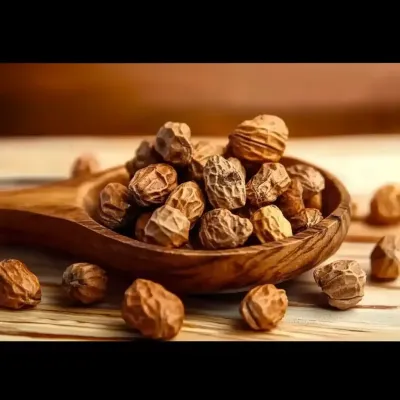
Tiger nut—yes, it’s not a nut at all—is gaining serious traction in global health food markets. With over 35g of dietary fiber per 100g, low glycemic index, and zero added sugars, this tuber is redefining what “natural” means in snack innovation. Whether you're sourcing ingredients for your brand or launching a new line of functional snacks, understanding how tiger nuts are processed and exported can give you a competitive edge.
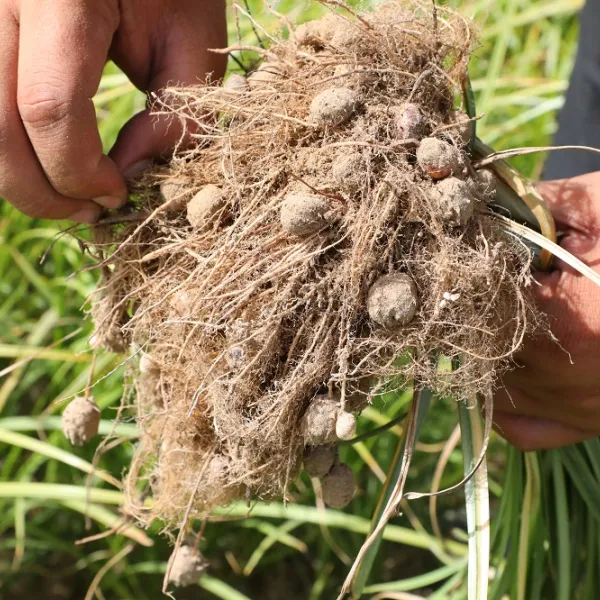
Grown primarily in Mediterranean climates like Spain, Egypt, and parts of Africa, tiger nuts (Cyperus esculentus) are naturally rich in prebiotic fibers, magnesium, potassium, and antioxidants. Unlike many trendy superfoods, tiger nuts have been used for centuries—not just as food but also in traditional medicine. Today, they’re being embraced by European health-conscious consumers and U.S.-based clean-label brands alike.
High-quality tiger nuts undergo several key steps before export:
This rigorous process ensures consistency—critical when targeting B2B clients who demand batch-to-batch reliability.
According to Statista, the global plant-based snack market grew by 14% YoY in 2023, with high-fiber options leading the charge. In Germany alone, imports of tiger nut flour rose 42% between 2021–2023. Why? Because it's versatile:
One UK-based startup reported a 60% increase in customer retention after switching from conventional flours to tiger nut blends—thanks to improved digestion and fewer allergens.
If you're sourcing ingredients for private label snacks, creating functional foods, or building a brand around clean nutrition—you’re already ahead of the curve. Tiger nuts offer more than just health benefits; they deliver scalability, regulatory compliance, and real consumer appeal.
Let’s make healthy snacking simpler—for your customers and your business. Discover how our certified tiger nut supply chain can support your product development needs today.
Unlock Tiger Nut’s Infinite PossibilitiesWhat would YOU do with 35g of fiber in every 100g? Share your ideas below—we read every comment.










.png?x-oss-process=image/resize,m_fill,h_600,w_600/format,webp)