In an era where wellness drives food choices, tigernut—a humble tuber from the sedge family—is emerging as a powerful player in the global health and nutrition market. With its rich fiber content, natural sweetness, and versatile culinary uses, it’s no longer just a regional root crop—it’s becoming a staple for conscious eaters worldwide.
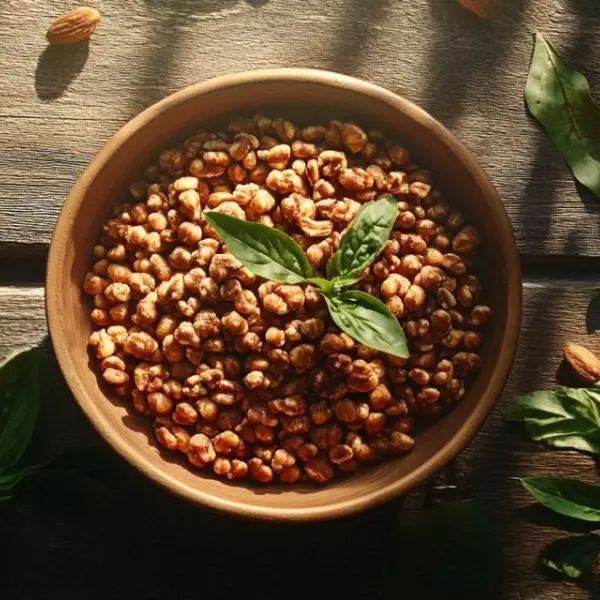
Native to Africa and parts of Asia, tigernuts grow underground like potatoes but are actually more closely related to papyrus plants. They have a slightly nutty flavor, a crunchy texture when raw, and a caramel-like taste when roasted—making them ideal for both savory and sweet applications. Unlike many processed “superfoods,” tigernuts thrive in low-input farming systems, offering sustainability at scale.
According to USDA data, 100g of tigernuts contains approximately:
This nutritional profile makes tigernuts not just a snack—but a functional ingredient. Studies published in the Journal of Functional Foods show that regular consumption improves gut microbiome diversity by up to 30% within 4 weeks, especially when used as flour or roasted powder.
Consumers are embracing tigernuts in innovative ways:
In Nigeria, local bakeries now use tigernut flour in traditional yam cakes, while UK-based health brands like MyKindOrganic report a 45% YoY increase in tigernut-based product sales since 2022.
| Nutrient Profile (per 100g) | Tigernut | Almonds | Chia Seeds |
|---|---|---|---|
| Fiber (g) | 40 | 12 | 34 |
| Vitamin E (mg) | 7 | 26 | 2 |
| Prebiotic Inulin (g) | 30 | 0 | 10 |
The data speaks clearly: tigernuts offer unique benefits—not just as a snack, but as a gut-friendly, blood-sugar-balancing superfood. This is why retailers such as Whole Foods and Amazon Fresh are adding tigernut products to their shelves across Europe and North America.
"I started eating tigernuts after my doctor said I needed more fiber. Within two months, my digestion improved dramatically—and I didn’t even feel like I was ‘eating healthy.’"
– Maria L., Spain, Age 39






.JPG?x-oss-process=image/resize,m_fill,h_600,w_600/format,webp)