Tiger nut, also known as Cyperus esculentus, is a small tuber from the sedge family gaining rapid traction as a natural, nutrient-dense ingredient across health-conscious food sectors in Europe and North America. This ancient superfood, boasting remarkably high fiber, vitamin E, and essential minerals, is perfectly poised to meet the rising consumer demand for plant-based, organic nutrition.
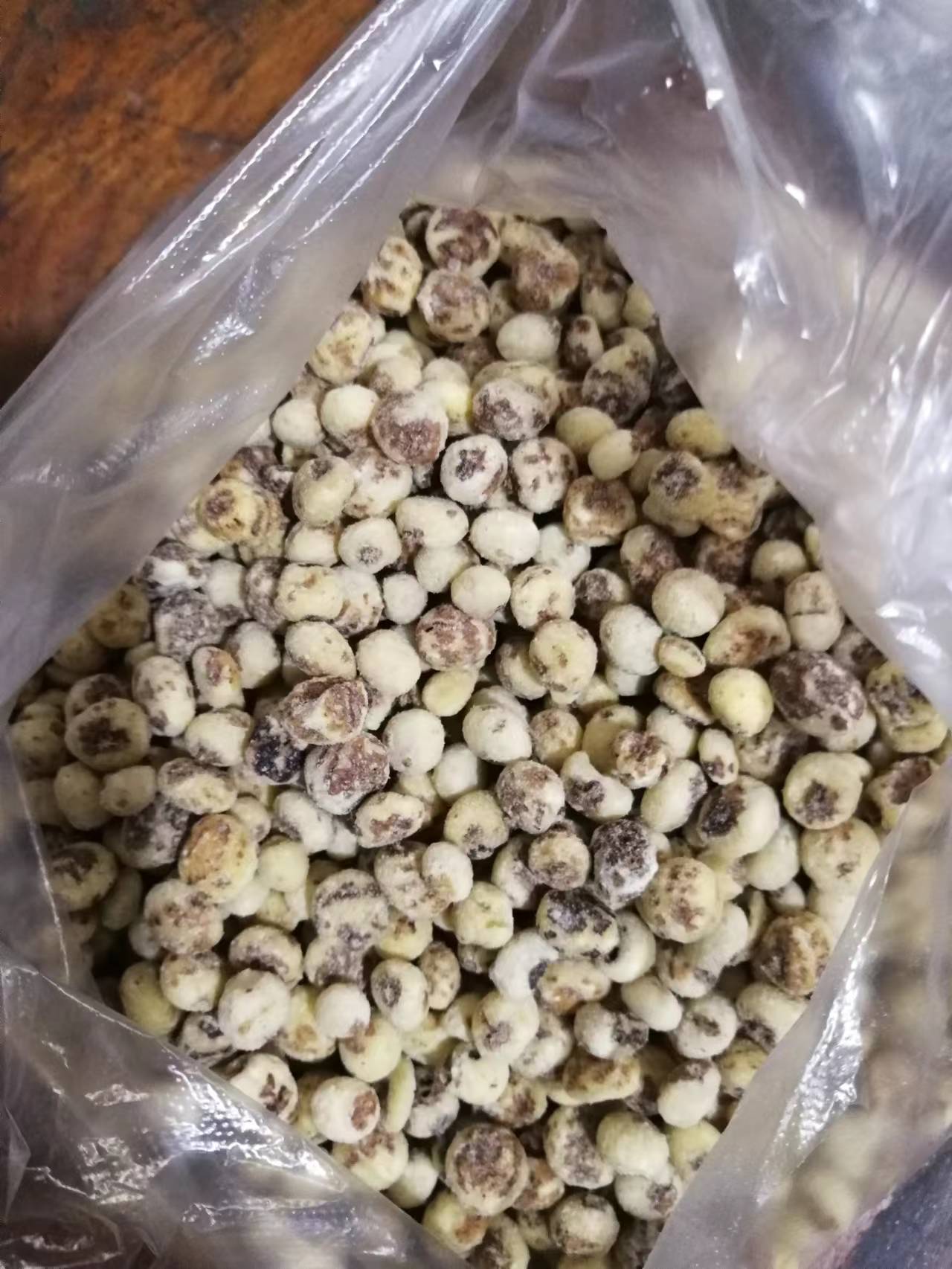
Unlike traditional nuts, tiger nuts are tubers harvested from grass-like plants native to Mediterranean and West African regions. Their wrinkled, brownish appearance belies an impressive nutritional profile, making them an appealing alternative for consumers looking for gluten-free, allergen-friendly ingredients.

Tiger nuts deliver a nutritional punch that resonates with modern health trends. They contain up to 40% dietary fiber, essential for gut health and sustained energy levels. A significant source of vitamin E offers antioxidant protection, while potassium, magnesium, and iron contribute to cardiovascular and metabolic wellness. Their natural sweetness also removes the need for added sugars in many applications.
| Nutrient | Typical Content per 100g | Health Benefit |
|---|---|---|
| Dietary Fiber | 35-40g | Supports digestion, controls blood sugar |
| Vitamin E | 4-5 mg | Antioxidant, skin health |
| Potassium | 600 mg | Regulates blood pressure |
According to the European Food Safety Authority (EFSA), consumption of high-fiber natural ingredients such as tiger nuts can contribute significantly to improved digestive health and reduced cardiovascular risk.
Tiger nuts are highly adaptable and can be incorporated in multiple food formats. European and American manufacturers leverage tiger nuts for raw snacking, baking nutritious bread and cookies, pressing premium oils, and even as sweet dessert toppings. The absence of gluten and nuts makes tiger nuts a valuable ingredient for allergen-sensitive product lines.
Exporters aiming to tap into the booming health food market in Europe and North America face strict regulatory frameworks. Key compliance pillars include organic certification under EU’s Regulation (EU) 2018/848 or USDA Organic standards, transparent labeling per FDA and EFSA regulations, and ensuring the absence of prohibited additives or contaminants.
Product traceability systems and adherence to Good Manufacturing Practices (GMP) are indispensable. Companies that have successfully chartered this pathway often implement third-party lab testing, clear allergen declarations, and provide extensive documentation to validate organic and non-GMO claims.

Leading food manufacturers in Spain and Nigeria have spearheaded tiger nut-based ingredient exports by aligning their sourcing and processing with international standards. These businesses report a 25% annual increase in orders within health food segments and a growing footprint in functional beverage and snack categories.
Their secret lies in educating overseas partners about tiger nut’s benefits and providing customizable product formats that fit diverse market needs—ranging from organic tiger nut flour to cold-pressed tiger nut oil.
Have you experimented with tiger nuts in your product line or formulation yet? Share your experience and join the fast-growing community tapping into this natural nutritional treasure.