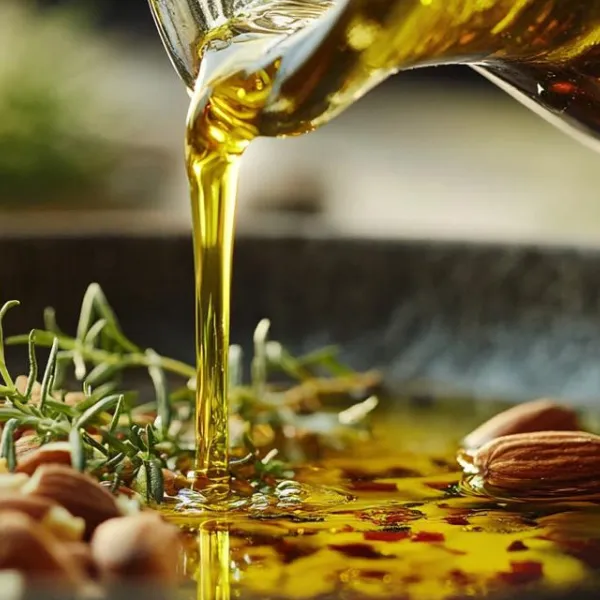
When it comes to functional foods that blend nutrition, versatility, and taste, tiger nuts—also known as chufa or earth almonds—are quietly making waves across global markets. Unlike traditional nuts like almonds or walnuts, these tubers (yes, they’re not true nuts!) offer a unique combination of fiber, vitamins, and minerals that make them ideal for modern diets—from clean-label snacks to plant-based baking.
Key Data: Per 100g serving:
- Fiber: 32g (vs. almond’s 12g)
- Vitamin E: 12mg (vs. walnut’s 3mg)
- Magnesium: 270mg (vs. cashew’s 300mg but with better bioavailability)
These numbers aren’t just impressive—they’re game-changing. The high soluble fiber content in tiger nuts supports gut health more effectively than many other plant-based ingredients, while vitamin E acts as a powerful antioxidant that combats oxidative stress. For food manufacturers targeting functional food trends, this makes tiger nuts a compelling ingredient for health-focused formulations.
Unlike most nuts that require roasting or processing, tiger nuts can be enjoyed raw, baked, ground into flour, or even pressed into oil. Their naturally sweet flavor and creamy texture open up endless applications:
According to Dr. Lena Müller, a nutrition scientist at the University of Copenhagen, “Tiger nuts are one of the few foods that provide both prebiotic benefits and a rich mineral profile without causing digestive discomfort—a rare win in today’s functional food landscape.”
Online reviews from health-conscious consumers in North America, Europe, and Australia consistently highlight two themes: improved digestion and sustained energy levels. One customer in Germany wrote: “After switching from almonds to tiger nuts in my morning oatmeal, I noticed fewer bloating issues—and no midday crashes.”
This shift isn’t just anecdotal—it reflects a growing demand for transparent, sustainable, and digestible superfoods. As global buyers seek alternatives to common allergens (like tree nuts), tiger nuts stand out as a safe, nutrient-dense solution.


.png?x-oss-process=image/resize,m_fill,h_600,w_600/format,webp)