In today's health - conscious society, the demand for healthy food options is skyrocketing. Consumers are constantly on the lookout for snacks and ingredients that not only taste good but also offer significant health benefits. This is where tiger nuts come into the picture. Tiger nuts are emerging as an innovative health snack and a versatile cooking ingredient, perfectly fitting into the current health food trend.

Tiger nuts are a nutritional powerhouse, packed with a variety of essential nutrients. They are particularly high in dietary fiber, with a single 100 - gram serving containing about 10 grams of fiber. This high - fiber content aids in digestion, helps maintain bowel regularity, and can even contribute to a feeling of fullness, which is beneficial for weight management.
In addition to fiber, tiger nuts are rich in vitamin E, an antioxidant that helps protect cells from damage caused by free radicals. They also contain a good amount of minerals such as magnesium, potassium, and iron. Magnesium is crucial for muscle function and energy production, potassium helps regulate blood pressure, and iron is essential for oxygen transport in the body.
One of the simplest ways to enjoy tiger nuts is to eat them raw. They have a sweet and nutty flavor, making them a great on - the - go snack. Raw tiger nuts can be added to trail mixes for an extra nutritional boost.
Roasting tiger nuts enhances their flavor, giving them a crunchier texture. Preheat your oven to 350°F, spread the tiger nuts on a baking sheet, and roast for about 15 - 20 minutes, stirring occasionally. Roasted tiger nuts can be eaten as a standalone snack or used as a topping for salads and desserts.

Tiger nuts can be ground into a fine flour. This flour is gluten - free, making it an excellent alternative for those with gluten sensitivities. Tiger nut flour can be used in baking, replacing a portion or all of the traditional wheat flour in recipes for bread, muffins, and cookies.
Tiger nuts can also be pressed to extract oil. Tiger nut oil is rich in monounsaturated fats, which are heart - healthy. It has a mild flavor and can be used for cooking, salad dressings, or as a finishing oil.
When using tiger nuts in baking, there are several tips to keep in mind to maximize the product's value. For example, when substituting tiger nut flour for wheat flour, start by replacing about 25% of the wheat flour in a recipe. This allows the baked goods to retain their structure while adding the unique flavor and nutritional benefits of tiger nuts.
Adding chopped tiger nuts to bread dough can create a more interesting texture and flavor profile. In cakes and muffins, tiger nut oil can be used instead of traditional vegetable oils, adding a healthier option and a subtle nutty taste.
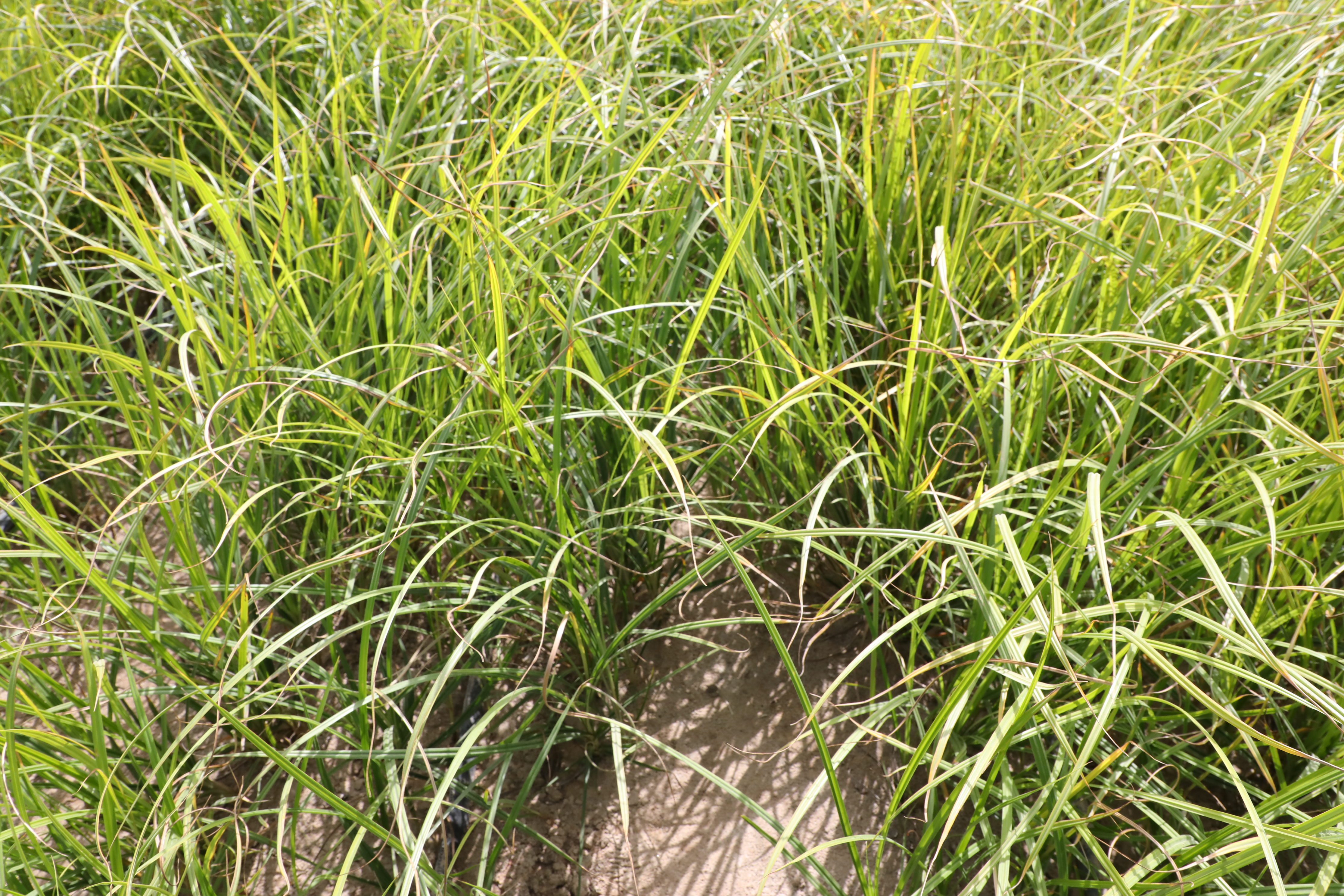
A small bakery in California started using tiger nut flour in their gluten - free products. After a few months, they saw a 20% increase in sales, as more health - conscious consumers were drawn to the unique ingredients. Also, a study showed that 80% of participants who incorporated tiger nuts into their diet reported improved digestion within a week.
Tiger nuts have a long history of use in traditional African and Mediterranean cuisines. In modern times, they are being rediscovered and innovatively incorporated into various food products. This combination of tradition and innovation makes tiger nuts an exciting ingredient for both home cooks and professional bakers.
We'd love to hear about your experiences with tiger nuts. Have you tried any of the methods mentioned above? Share your thoughts and recipes in the comments below!