
Tiger nuts—yes, they’re not actually nuts—are tubers from the Cyperus esculentus plant, native to Africa and now gaining global traction as a functional superfood. With rising demand for clean-label, fiber-rich ingredients in Western markets, these humble root vegetables are emerging as a key ingredient in everything from snacks to protein bars and even infant formulas.
According to a 2023 study published in Food Chemistry, tiger nuts contain up to 25% dietary fiber (mostly insoluble), which supports gut health better than many common grains like oats or quinoa. They also boast natural prebiotic properties—feeding beneficial gut bacteria—and offer 12% of the daily recommended intake of vitamin E per 100g serving. This makes them ideal for manufacturers targeting digestive wellness and immunity-focused products.

What sets tiger nuts apart is their adaptability across multiple food formats:
A 2024 report by Grand View Research estimates that the global tiger nut market will grow at a CAGR of 7.8% through 2030—driven largely by increasing consumer awareness around plant-based nutrition and clean labels.
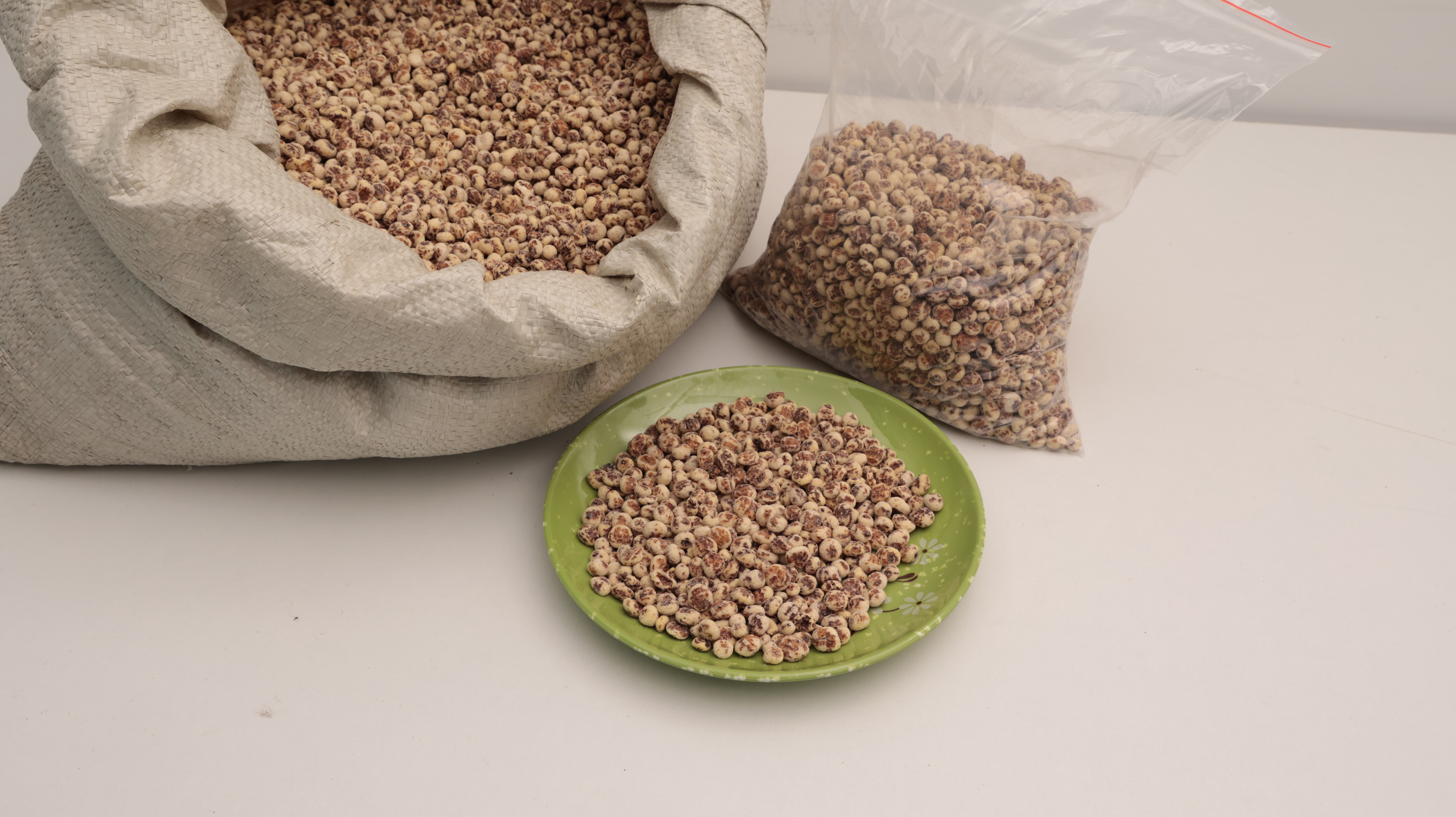
Take brands like Nutiva (USA) and Little Spoon (UK)—both have added tiger nut flour to their baby food lines due to its hypoallergenic nature and high nutrient density. In comparison to chia seeds or flaxseed, tiger nuts require less processing, have a milder flavor profile, and are easier to source sustainably.
For B2B suppliers, this means clear opportunity: position your tiger nut supply chain as reliable, traceable, and compliant with EU organic standards—or even better, ISO 22000-certified food safety protocols.

Whether you're developing new formulations or sourcing raw materials for existing lines, tiger nuts offer a powerful blend of functionality, nutrition, and consumer appeal.