In the booming global health snack market—projected to hit $70B by 2027 (Grand View Research)—brands are racing to find ingredients that deliver real nutrition without artificial additives. One such star ingredient? Tigernut, a naturally sweet, fiber-rich tuber gaining serious traction among premium European and North American brands.
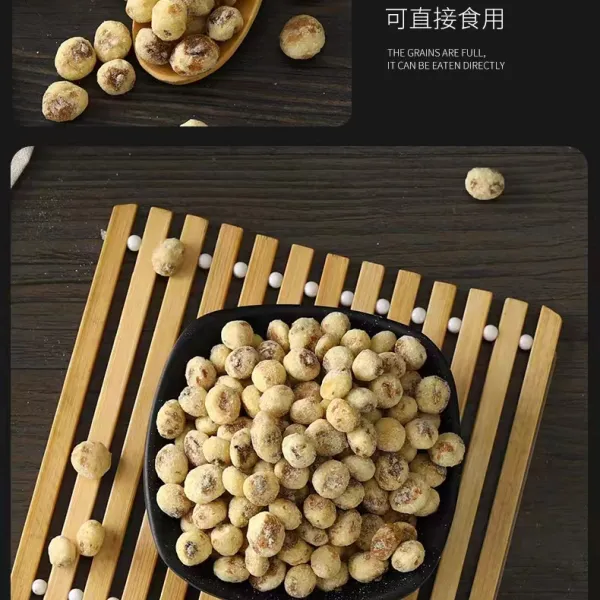
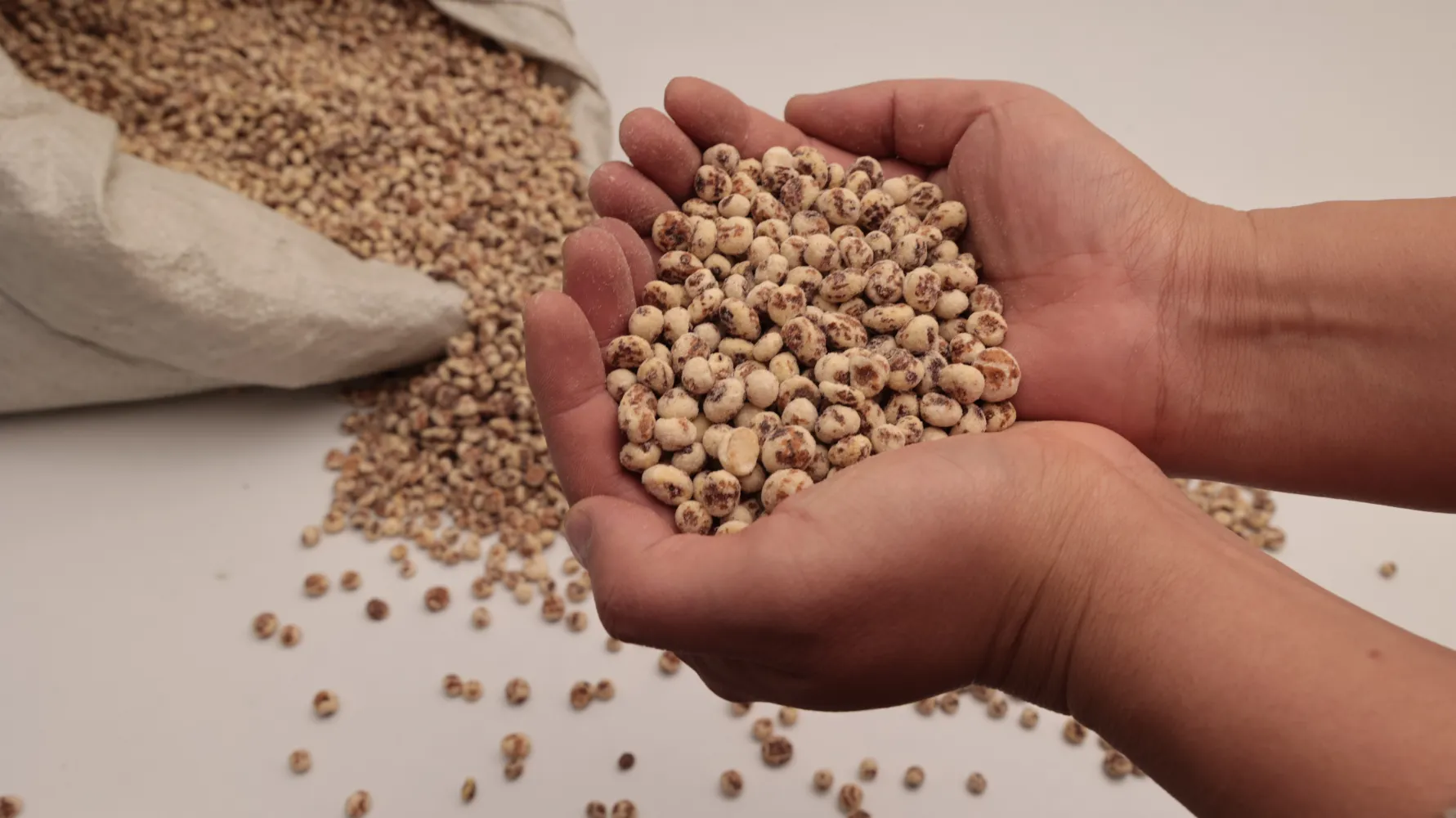
Unlike potatoes or yams, tigernuts aren’t true nuts—they’re the edible roots of Cyperus esculentus, a sedge plant native to Africa and parts of Asia. They’re small, brown-skinned, and have a naturally sweet, nutty flavor when roasted—a trait that makes them ideal for both savory and sweet applications.
Nutritionally, they pack a punch:
What sets tigernut apart isn’t just its nutrition—it’s its versatility. Leading brands like Yogurtland and Nature's Gate now use it in:
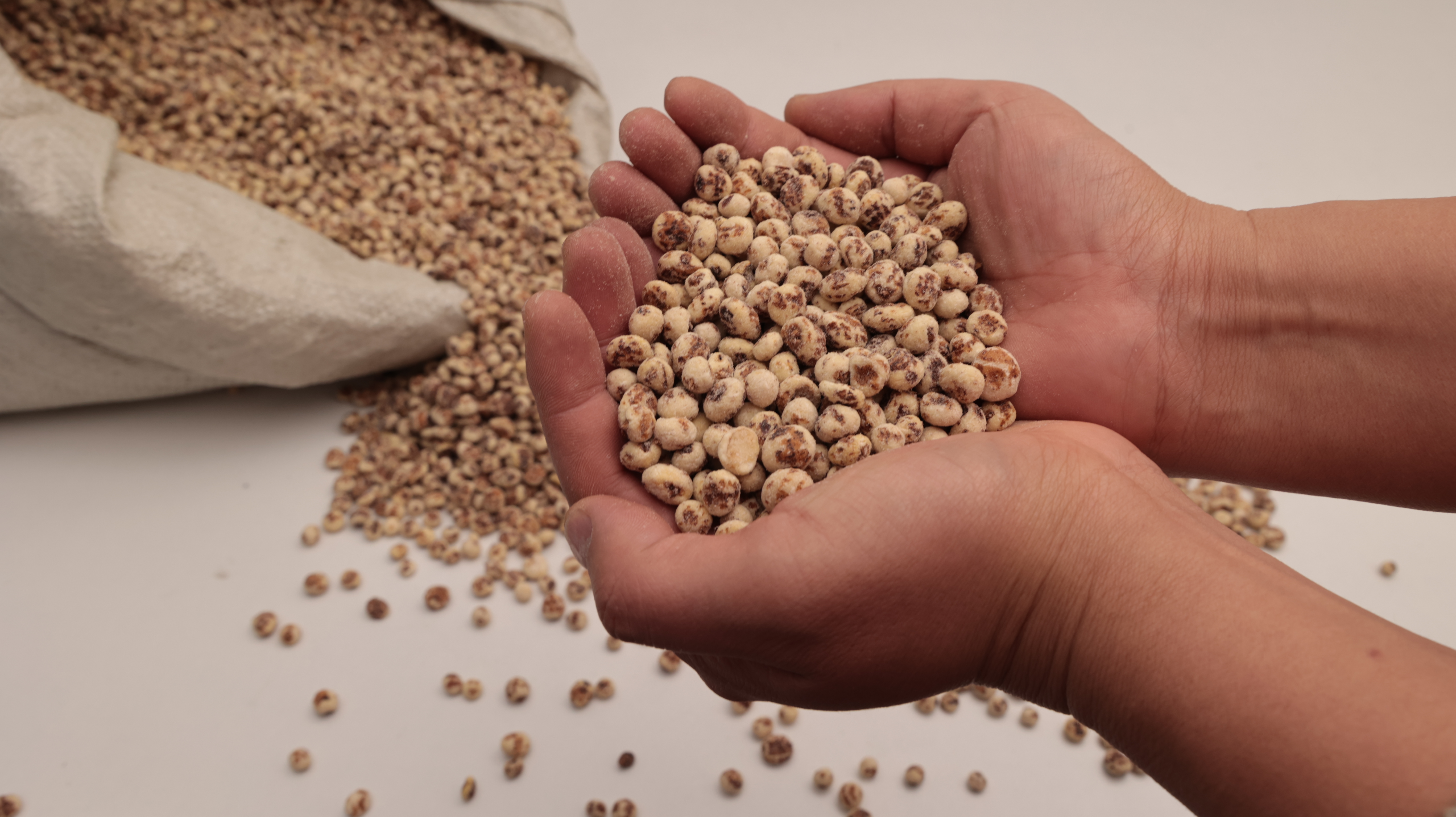
And here’s what really excites buyers: unlike many root crops, tigernut doesn’t require heavy processing—it can be eaten raw, steamed, or simply toasted. No preservatives needed.
When comparing tigernut to common blocky staples:
| Nutrient | Tigernut (per 100g) | Sweet Potato | Cassava |
|---|---|---|---|
| Fiber | 35g | 3g | 2g |
| Vitamins | E, B6, K | A, C | Minimal |
This data shows why tigernut is becoming a go-to for functional food developers looking to build products that stand out—not just on labels, but in taste and performance.
“We saw a gap in the market for a truly clean-label, high-fiber snack. Tigernut gave us the texture, sweetness, and nutritional profile we needed—without compromising on taste.”
— Sarah Lin, Product Development Lead at NutriBite Europe
If you're sourcing ingredients for your next product launch—or exploring new opportunities in the healthy snacking space—tigernut offers a compelling blend of science-backed benefits and consumer appeal.
Have you tried tigernut in your recipes or product development? Share your experience below—we love hearing from innovators like you!