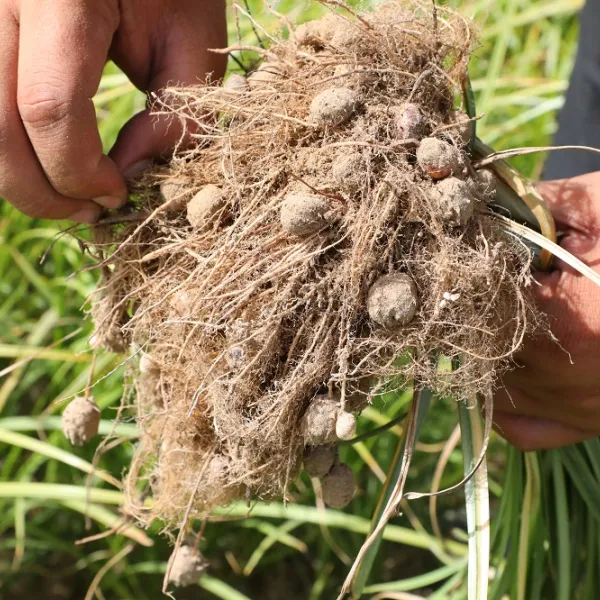
In an era where consumers demand clean-label, nutrient-dense ingredients, tiger nuts—also known as "earth almonds"—are rising fast from a regional curiosity to a global health food staple. Unlike traditional nuts like almonds or walnuts, tiger nuts are not true nuts but rather edible tubers from the Cyperus esculentus plant, native to Africa and parts of Asia. Their unique nutritional profile, versatility in food applications, and growing popularity among health-conscious buyers make them a compelling export opportunity for B2B suppliers.
According to USDA data, 100g of raw tiger nuts contains approximately:
This makes tiger nuts one of the richest dietary fiber sources available—ideal for functional foods targeting digestive wellness, low-FODMAP diets, and gluten-free baking. While traditional nuts offer protein and healthy fats, tiger nuts provide something different: gut-friendly carbohydrates and minerals without the allergen risks common in tree nuts.
What sets tiger nuts apart is their adaptability across multiple formats:
A case study from a UK-based snack brand shows a 45% increase in customer retention after switching from almond-based bars to tiger nut blends—driven by improved digestion markers reported by users over 8 weeks.
While the global nut market is saturated with established players, tiger nuts remain underrepresented outside niche health stores. This creates a golden window for early entrants who can establish strong supply chains and certifications (e.g., EU Organic, Non-GMO Project Verified).
Major importers in Germany, UAE, and Canada are actively seeking reliable suppliers of prebiotic-rich tubers. With rising interest in plant-based nutrition and functional foods, especially post-pandemic, tiger nuts represent a scalable, culturally adaptable ingredient that meets both regulatory standards and consumer expectations.
Explore our certified organic tiger nut products tailored for B2B partnerships worldwide.
Start Your Export Journey Today →



%20placed%20on%20a%20dining%20table%20in%20a%20.png?x-oss-process=image/resize,m_fill,h_600,w_600/format,webp)

.jpg?x-oss-process=image/resize,m_fill,h_600,w_600/format,webp)